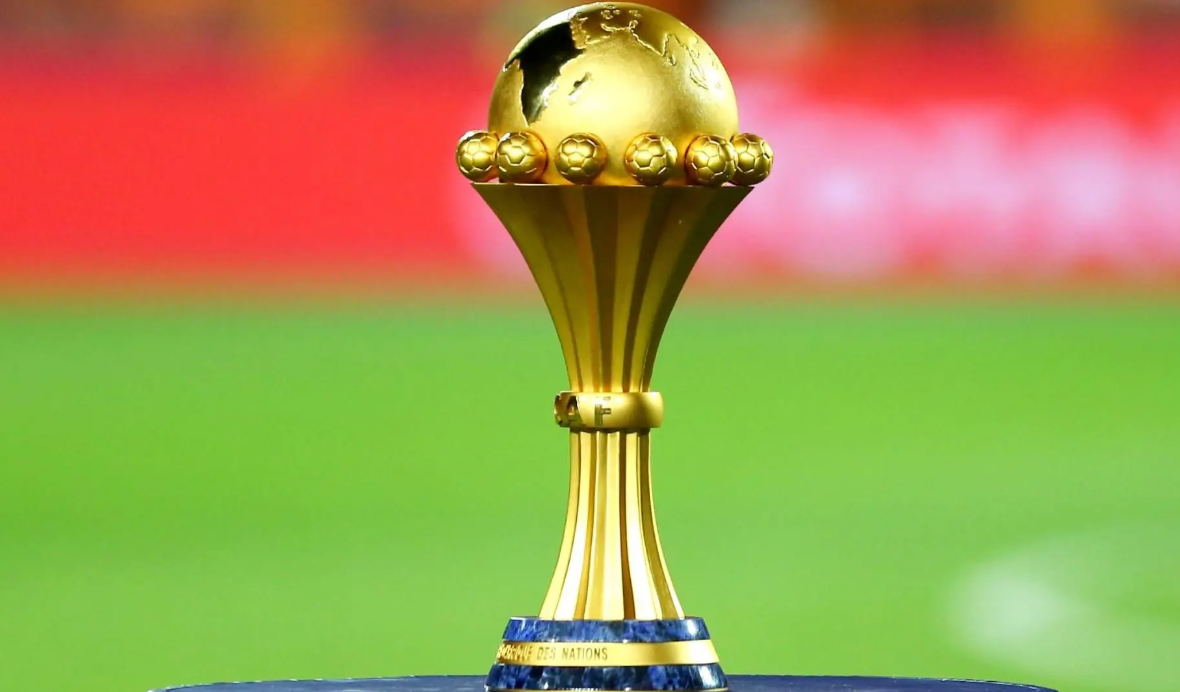



Get ready: The TotalEnergies CAF Africa Cup of Nations (AFCON) 2025 is poised to be the greatest showcase of African football yet! Hosted by Morocco, this 35th edition of the continent's most prestigious tournament will see 24 nations battle for the coveted trophy. Kicking off in December 2025 and running into January 2026, the event promises a spectacular fusion of world-class football and rich Moroccan culture, guaranteeing the world's eyes are locked on the continent's footballing prowess.
Exclusive Bonus for AFCON 2025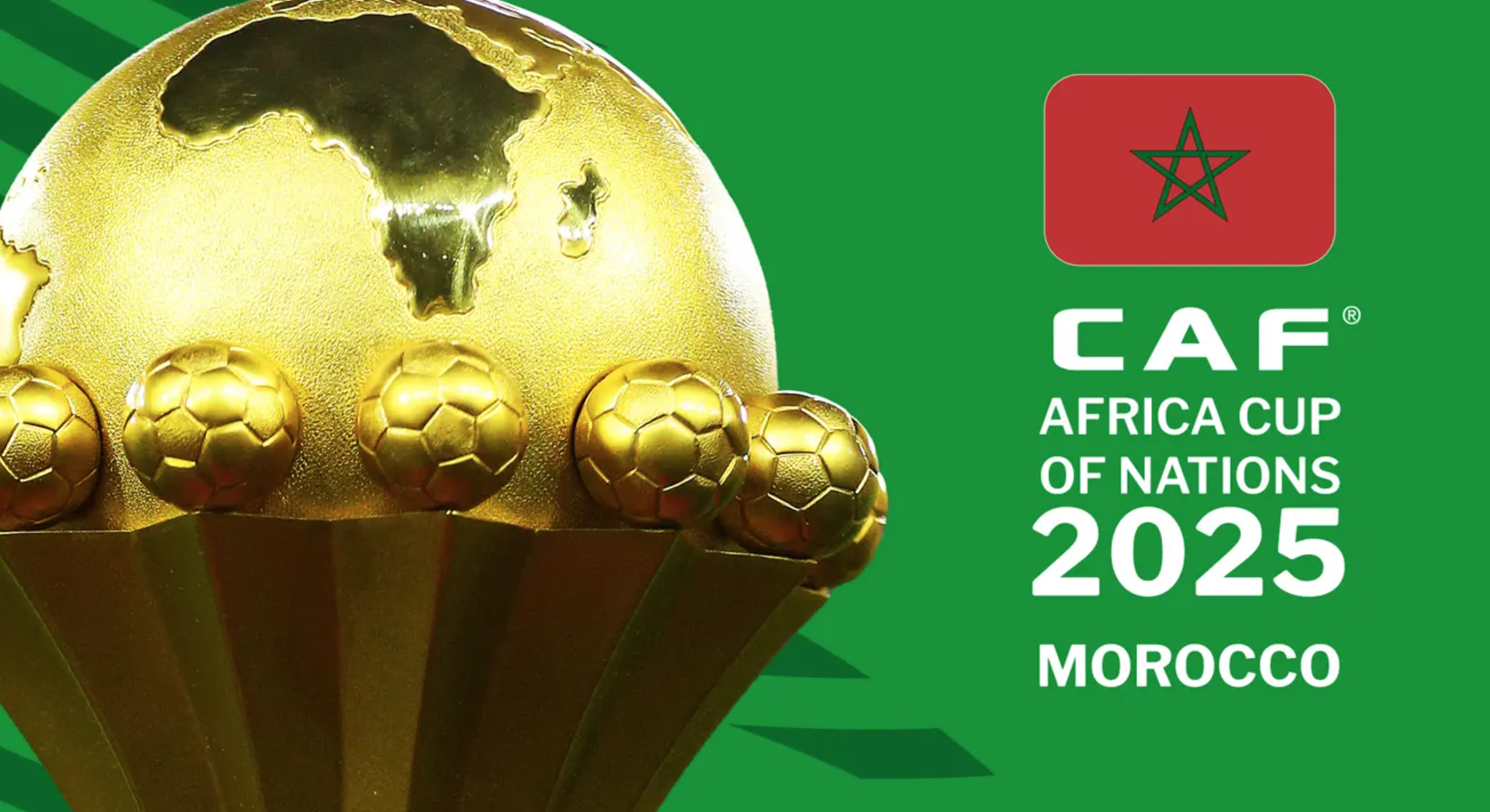
Where is the tournament and when does it start?
It’s genuinely wild that Morocco hasn't hosted this tournament since 1988. Considering that enormous gap, the infrastructure upgrades they've sunk money into over the last few decades are simply astounding, solidifying their world-class sporting appeal. Believe it or not, the passion for the game won't be confined to just one region; matches will actually be spread out across six major host cities: Rabat, Tangier, Casablanca, Agadir, Marrakesh, and Fez.
📅 Start date: 21 December 2025
🏆 Final: 18 January 2026
Which stadiums will be used?
The tournament will be held in nine great stadiums across six cities. Rabat, the capital, will be the main spot. These huge stadiums show that Morocco is ready to host a big international event.
The Complexe Sportif Prince Moulay Abdellah in Rabat will host the first game, Morocco’s group games, a semi-final, and the final match. Plus, the Ibn Batouta Stadium in Tangier, which is the biggest, will be a key spot for the later stages of the competition.
| Stadium | City | Capacity (Approx.) | Key Fixtures |
|---|---|---|---|
| Ibn Batouta Stadium | Tangier | 75,000 | Major Knockout Ties |
| Complexe Sportif Prince Moulay Abdellah | Rabat | 69,500 | Opening Match & Final |
| Stade Mohammed V | Casablanca | 67,000 | Group Stage & Knockout |
| Adrar Stadium | Agadir | 45,480 | Group Stage |
| Marrakesh Stadium | Marrakesh | 45,240 | Group Stage |
| Fez Stadium | Fez | 35,000 | Group Stage |
| Prince Moulay Hassan Stadium | Rabat | 22,000 | Group Stage |
| Olympic Stadium Annexe | Rabat | 21,000 | Group Stage |
| Stade El Barid | Rabat | 18,000 | Group Stage |
Who are the reigning champions?
Currently Côte d’Ivoire (Ivory Coast) holds the title after their surprising win at the 2023 AFCON (which took place in January and February of 2024) on their home field. It was one of the most unexpected wins ever in the tourney.
The Elephants had a bad showing in the group stage, even fired their coach, and barely made it to the knockout rounds. But with an interim coach, they turned things around, beating Senegal and Mali. Then, with goals from Franck Kessié and Sébastien Haller, they beat Nigeria 2-1 in the final. Now, Côte d’Ivoire is getting ready to defend its title. They'll face a challenge right away in Group F. Still, they have the boost of being the current champions of the continent.
Which nations are in which groups?
The 24 qualified nations, determined by the grueling qualification series that concluded in November 2024, have been distributed across six groups. The tournament format is designed to create dramatic competition from the first whistle, ensuring every match is significant for progression.
| Group | Teams |
| A | Morocco, Mali, Zambia, Comoros |
| B | Egypt, South Africa, Angola, Zimbabwe |
| C | Nigeria, Tunisia, Uganda, Tanzania |
| D | Senegal, DR Congo, Benin, Botswana |
| E | Algeria, Burkina Faso, Equatorial Guinea, Sudan |
| F | Côte d'Ivoire, Cameroon, Gabon, Mozambique |
Group A is immediately intriguing, pitting the host nation, Morocco, against a highly technical and disciplined Mali side, while 2012 champions Zambia and the dangerous Comoros complete the quartet. However, Group F earns the title of "Group of Death," featuring the reigning champions Côte d’Ivoire and the five-time winners Cameroon, making every point critical for survival. The structure ensures the top two from each group, plus the four best third-placed sides, advance to the Round of 16.
Group stage schedule
The group stage is set to deliver eleven days of intense football, running from December 21 to December 31, 2025. A busy schedule features up to four matches daily, ensuring high viewer engagement. All kick-off times are listed in GMT+1, the local time zone in Morocco.
| Date | Match | Venue | Kick-off |
|---|---|---|---|
| 21 Dec | Morocco vs Comoros (A) | Prince Moulay Abdellah, Rabat | 20:00 |
| 22 Dec | Mali vs Zambia (A) | Stade Mohammed V, Casablanca | 14:30 |
| 23 Dec | Nigeria vs Tanzania (C) | Fez Stadium, Fez | 12:00 |
| 24 Dec | Côte d'Ivoire vs Mozambique (F) | Marrakesh Stadium, Marrakesh | 18:30 |
| 25 Dec | Egypt vs South Africa (B) | Adrar Stadium, Agadir | 18:30 |
| 26 Dec | Zambia vs Morocco (A) | Prince Moulay Abdellah, Rabat | 18:30 |
| 27 Dec | Senegal vs DR Congo (D) | Ibn Batouta Stadium, Tangier | 18:30 |
| 28 Dec | Côte d'Ivoire vs Cameroon (F) | Marrakesh Stadium, Marrakesh | 18:30 |
| 30 Dec | Uganda vs Nigeria (C) | Fez Stadium, Fez | 17:00 |
| 31 Dec | Comoros vs Mali (A) | Stade Mohammed V, Casablanca | 17:00 |
The group stage is compact, with matches played near-daily to fit the December-January window. The primary objective is to secure a top-two finish in the group for automatic qualification to the knockout stage. Crucially, the top two teams from each of the six groups advance automatically, and they are joined by the four best third-placed teams, determined by points, goal difference, and goals scored, ensuring the high stakes of the competition's format.
Dates for later stages of AFCON 2025
Following the group stage, the intensity ramps up immediately for the knockout rounds. The single-elimination matches begin on January 3, 2026, ensuring there is no lull in the action. The structure is designed to build momentum toward the final, with the premier venues reserved for the most important ties.
| Stage | Start Date | End Date | Primary Venues |
|---|---|---|---|
| Round of 16 | 3 January 2026 | 6 January 2026 | Various |
| Quarter-finals | 9 January 2026 | 10 January 2026 | Rabat, Tangier, Casablanca |
| Semi-finals | 14 January 2026 | 14 January 2026 | Prince Moulay Abdellah, Rabat & Stade Mohammed V, Casablanca |
| Third-place Play-off | 17 January 2026 | 17 January 2026 | Stade Mohammed V, Casablanca |
| Final | 18 January 2026 | 18 January 2026 | Prince Moulay Abdellah, Rabat |
The semi-finals will be split between the two biggest cities, driving up the excitement before the final showdown at the Complexe Sportif Prince Moulay Abdellah in Rabat, where the new African champions will be crowned.
Who are the AFCON Favourites?
The 2025 tournament features a highly competitive field, but a few teams stand out as clear favourites due to their current FIFA ranking, squad pedigree, and recent form in international competitions.
- Morocco — As the highest-ranked African nation and the undisputed host, Morocco carries the weight of expectation. Their 2022 World Cup semi-final run proves their tactical maturity in high-pressure tournaments.
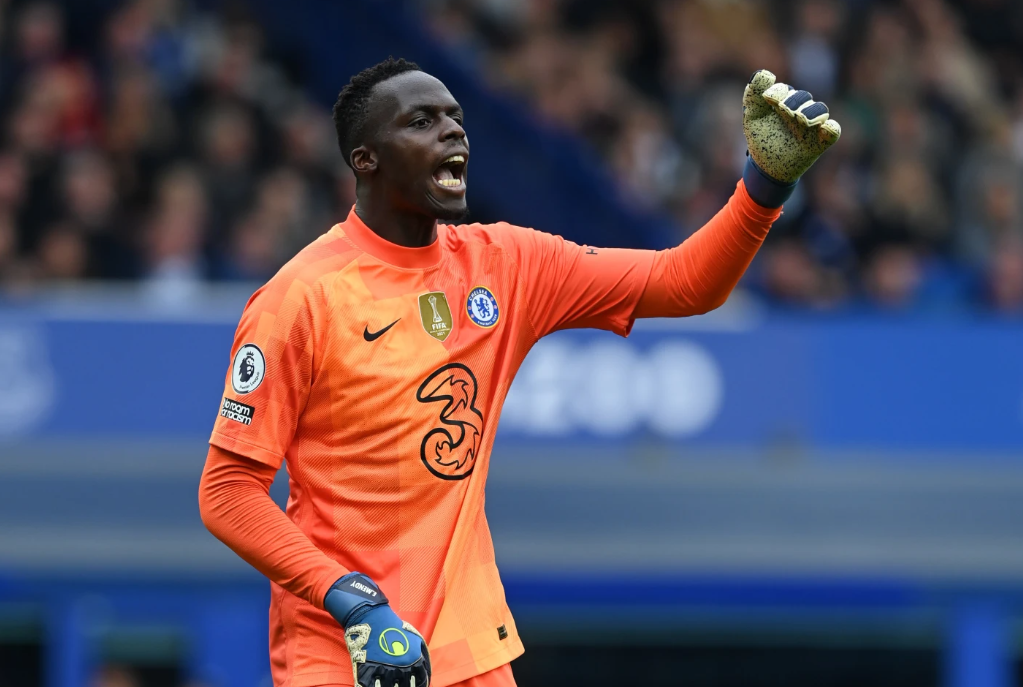
- Senegal — The 2021 champions boast exceptional quality in key areas, particularly in goal (Édouard Mendy) and the wide attacking positions (Sadio Mané). Their solid structure makes them a consistent threat in knockout football.
- Nigeria — The Super Eagles, 2023 runners-up, possess one of the most explosive attacks led by Victor Osimhen. If their defence holds up, they have the firepower to win the competition.
- Egypt — With seven titles, Egypt is the most successful team in AFCON history. Their veteran leadership, led by Mohamed Salah, ensures a high level of tactical discipline that is difficult for opponents to break down.
- Côte d’Ivoire — The defending champions should not be underestimated. Their dramatic win in 2023 shows they can handle adversity, and they enter 2025 with an improving young squad and tournament-winning mentality.
The consensus from analysts and early odds places Morocco at the top, closely followed by Senegal and Nigeria, setting the stage for a highly unpredictable battle for continental supremacy.
Which top players will be competing at AFCON?
AFCON 2025 serves as a spectacular platform for Africa's most decorated footballers, many of whom are stars in Europe's top leagues. The tournament guarantees a display of elite skill, technical brilliance, and athleticism.
- Victor Osimhen (Nigeria): The talismanic striker is the reigning African Footballer of the Year. His relentless energy and clinical finishing make him a Golden Boot favourite.
- Mohamed Salah (Egypt): The legendary forward remains the most crucial player for the Pharaohs, capable of winning a match with a single moment of individual brilliance.
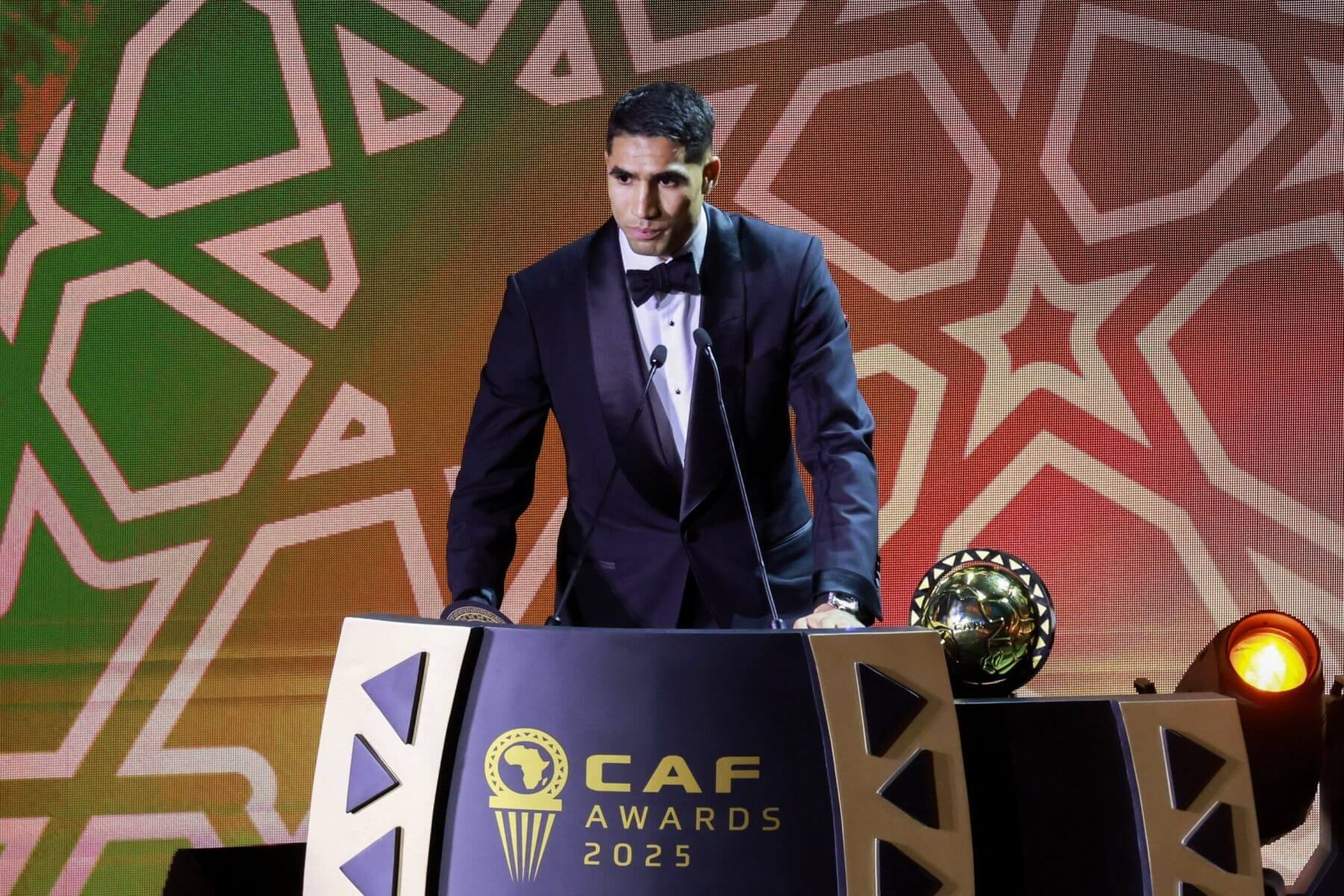
- Achraf Hakimi (Morocco): The world-class PSG full-back provides vital defensive security and a potent attacking outlet down the right flank for the host nation.
- Sadio Mané (Senegal): A veteran champion, Mané's leadership and goalscoring threat from wide positions are central to Senegal's ambitions.
- Riyad Mahrez (Algeria): The highly creative winger is a proven winner and will be the chief playmaker for the 2019 champions.
- Patson Daka (Zambia): The clinical Leicester City striker will be the main goal threat for the Chipolopolo, eager to upset the established hierarchy.
- Yves Bissouma (Mali): The Tottenham Hotspur midfielder anchors the Mali side, bringing powerful tackling and composed distribution to the middle of the park.
This concentration of world-class players confirms the tournament as one of the most exciting fixtures on the international football calendar. The performance of these marquee players will undoubtedly decide which nation ultimately lifts the coveted trophy on January 18, 2026.