

The void in India’s goalpost since the retirement of the legendary PR Sreejesh is still being felt as Harmanpreet Singh’s men embark on another crucial mission at the Asia Cup in Rajgir, Bihar – with World Cup qualification on the line.
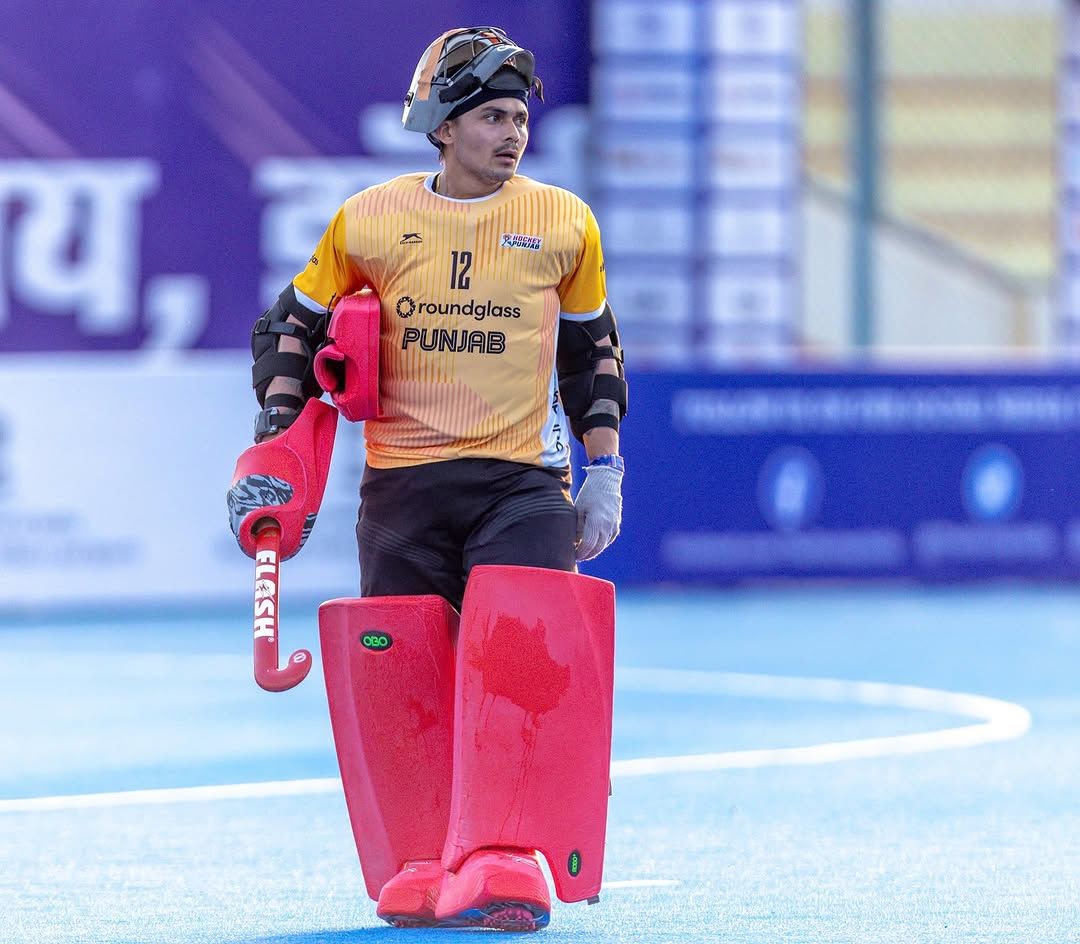
Sreejesh was the pivot of India’s modern hockey revival, taking the team back to the Olympic podium after 41 years with bronze in Tokyo, and repeating the feat in Paris last year. He bowed out on a historic high, having stood as the backbone of India’s most memorable wins in the last 15 years.
Pathak Takes Charge, Karkera Close Behind
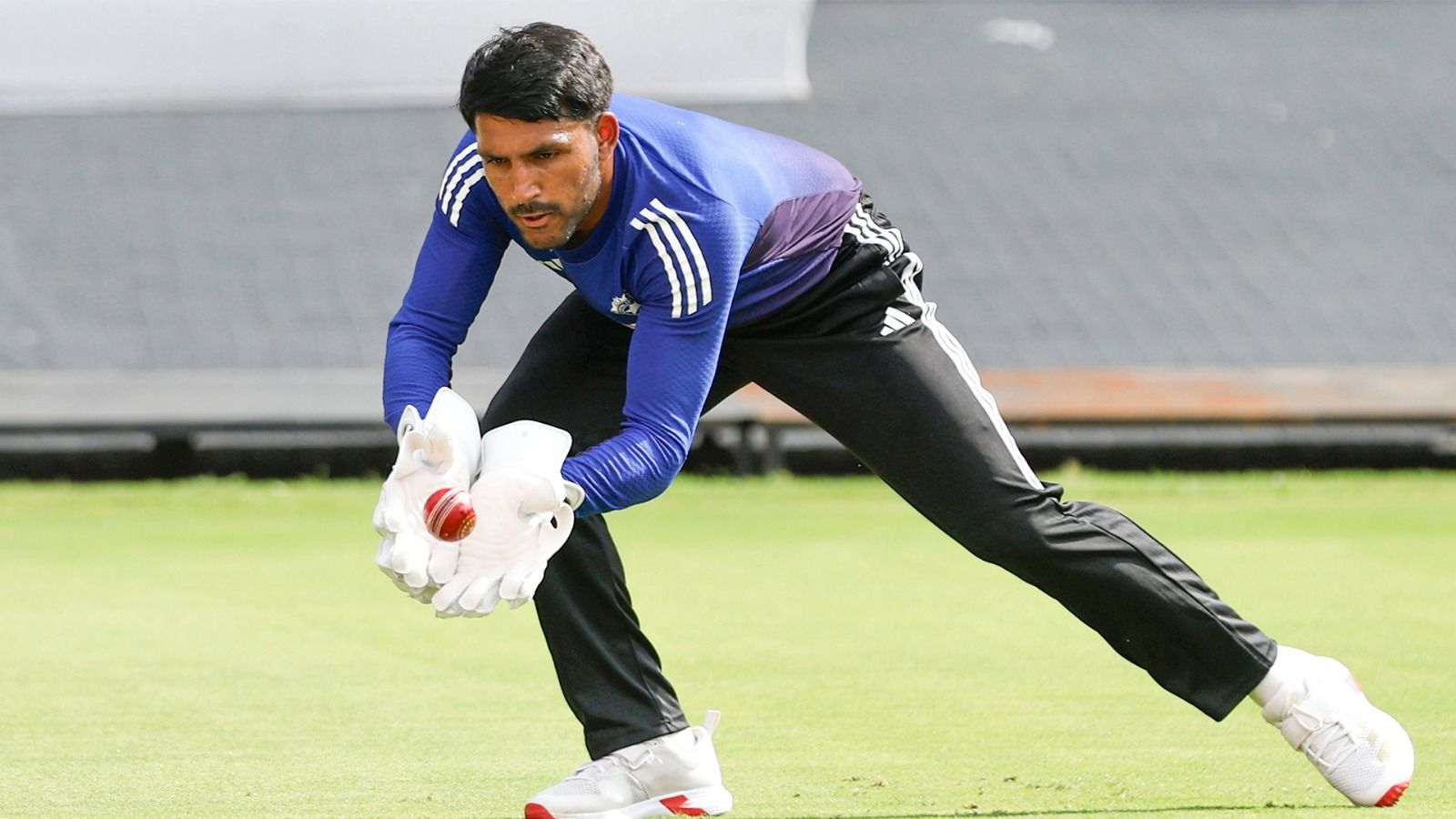
The mantle now rests with Krishan Bahadur Pathak, once Sreejesh’s understudy and now India’s No. 1 goalkeeper, with the equally talented Suraj Karkera as his deputy. Pathak has done well, but when judged against the towering benchmark of Sreejesh, gaps are still visible. India’s recent seven defeats in eight Pro League games in Europe highlighted those vulnerabilities, costing them an early chance to secure World Cup qualification.
There were a few mistakes at every position – forwards, midfielders, defenders and also us (goalkeepers).
Lessons from the Pro League Setback
With 125 caps and a Junior World Cup winner’s medal from 2016, Pathak has grown into a senior figure. He insists India have learned from their Pro League struggles.
It’s about managing once a mistake has been made — what to do to minimise danger or regain possession, how the midfield reacts after turnovers. That aspect of our game, I believe, we have strengthened a lot.
Having spent years under the shadow of Sreejesh, Pathak draws heavily from his mentor’s philosophy. “I learnt from Sreejesh that a goalkeeper not only performs from the back but must also guide the team. From the goalpost you see the entire pitch, analyse whether the team is keeping structure, and guide the midfielders and defence.”
Karkera’s Rise from Third Choice to Second in Command
Karkera, once third in line behind Sreejesh and Pathak, is now firmly India’s No. 2 custodian. The long-standing Indian strategy of alternating goalkeepers each quarter ensures both get equal exposure and responsibility.
At every changeover, we exchange inputs. If Pathak starts the first quarter, he passes me details about the defensive shape before I step in. Similarly, if one of us is on the bench, we share observations from outside.
Real Test Begins at the Super 4s
India’s challenge at the Asia Cup will intensify in the Super 4 stage, featuring the top two teams from each pool. That is when their goalkeeping partnership will be tested the most, especially if India reach the final.
In camps, we simulate match situations. Our training intensity is tailored to that.
Tough Preparations against Australia
Placed in Pool A alongside China, Japan and Kazakhstan, India warmed up with a four-match series in Australia, where they lost three games. For Pathak, the tough tour offered valuable lessons.
In Australia, we tested plans we want to use at the Asia Cup. Big teams force you into difficult situations, so you need different strategies. We tried to play in an attacking mode to sharpen our offence.
Carrying India’s Hopes at Rajgir
Looking ahead, Pathak remains optimistic: “Suraj and I were together at the last Asian Champions Trophy and handled situations well. These are the same set of teams, our preparation is similar, and we’ll play accordingly.”
India open their campaign against China on August 29, hoping that their new guardians of the goalpost can steer them towards another shot at continental glory — and a World Cup berth.