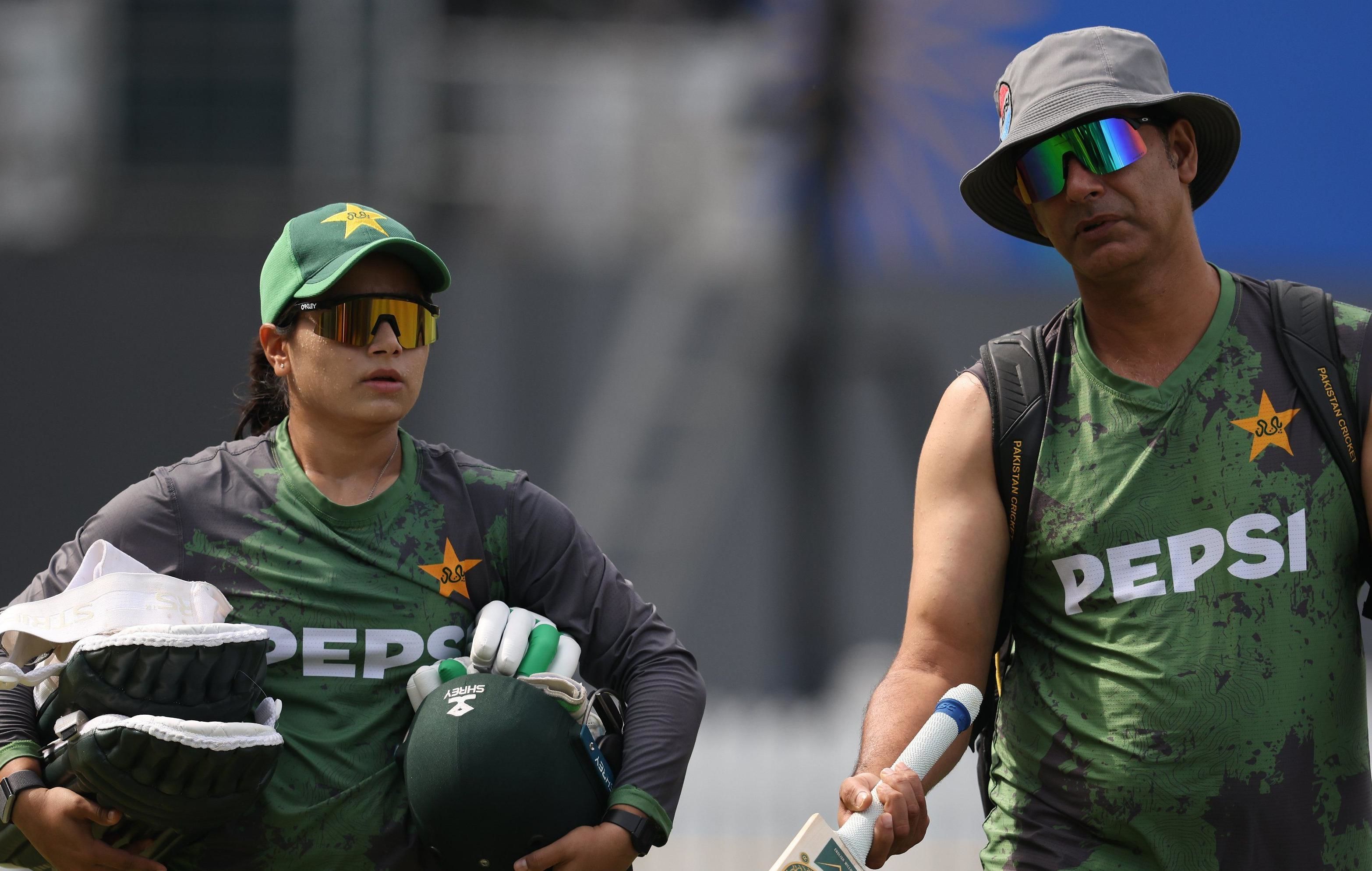


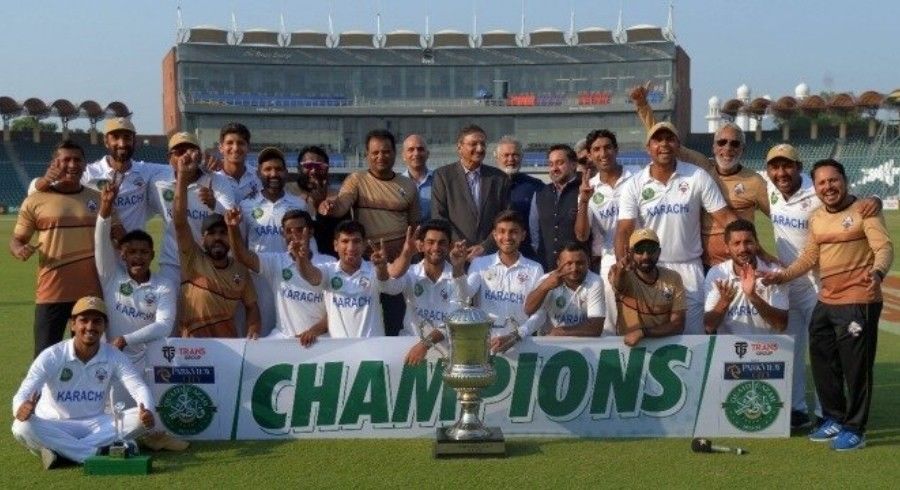
The Pakistan Cricket Board’s decision to exclude 21-time former champions Karachi from direct participation in the country’s premier first-class competition has triggered fierce criticism, with many calling it a grave injustice to Pakistan’s largest cricketing hub.
On Monday, the PCB announced the schedule for the 2025–26 domestic season, slashing the number of Quaid-e-Azam Trophy teams from 18 to just eight. Six teams from last season’s standings have secured automatic qualification, while two more will advance through a non-first-class qualifying tournament.
We have recorded our protest in the form of a dissent note during the meeting. Excluding Karachi is a huge injustice to the biggest nursery of the game in the country.
Former Pakistan batter Kamran Akmal echoed those concerns, urging the PCB to reconsider. “Leaving out Karachi from the premier tournament makes no sense,” Akmal said. “It will be a big, big deprival for the talented players from the city. I have been to Karachi most of the last two years and have seen a lot of good talent there.”
Under the new format, the Quaid-e-Azam Trophy will feature Lahore Region Whites, Sialkot, Peshawar, Islamabad, Abbottabad, Bahawalpur, and the two qualifiers. The tournament, set to begin on 22 September, will comprise 29 matches in a single-league format.
Karachi isn’t the only major cricketing centre left out. Multan, Rawalpindi and Faisalabad have also been denied direct entry, a decision that has further fuelled frustration among regional administrators.
Omar argued that the PCB should have warned teams about the impending reduction before the previous season.
Had we known in advance that the number of teams would be cut, everyone would have approached the season differently.
Pakistan’s domestic cricket has undergone frequent and often controversial overhauls in recent decades. In 2018–19, the competition still had 16 teams — eight representing commercial departments and eight drawn from regional associations.
However, former prime minister and Pakistan captain Imran Khan ordered the scrapping of departmental teams, insisting the competition be limited to six sides to mirror Australia’s model.
Critics have long argued that constant tinkering has weakened Pakistan’s cricket structure, rather than improved it. The domestic system regularly comes under fire from former players and media commentators for failing to develop robust talent capable of thriving internationally.
Indeed, the gulf between domestic performance and international readiness has been stark in recent years — a reality many believe has contributed to Pakistan’s declining fortunes across all formats of the game.