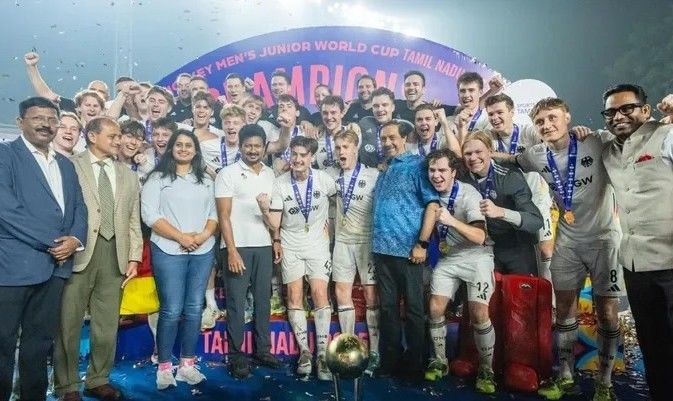


Forty-five minutes into the FIH Junior Men’s Hockey World Cup bronze-medal match, Argentina led 2–0 and the Mayor Radhakrishnan Stadium in Chennai had fallen quiet. India looked flat; the crowd looked resigned.
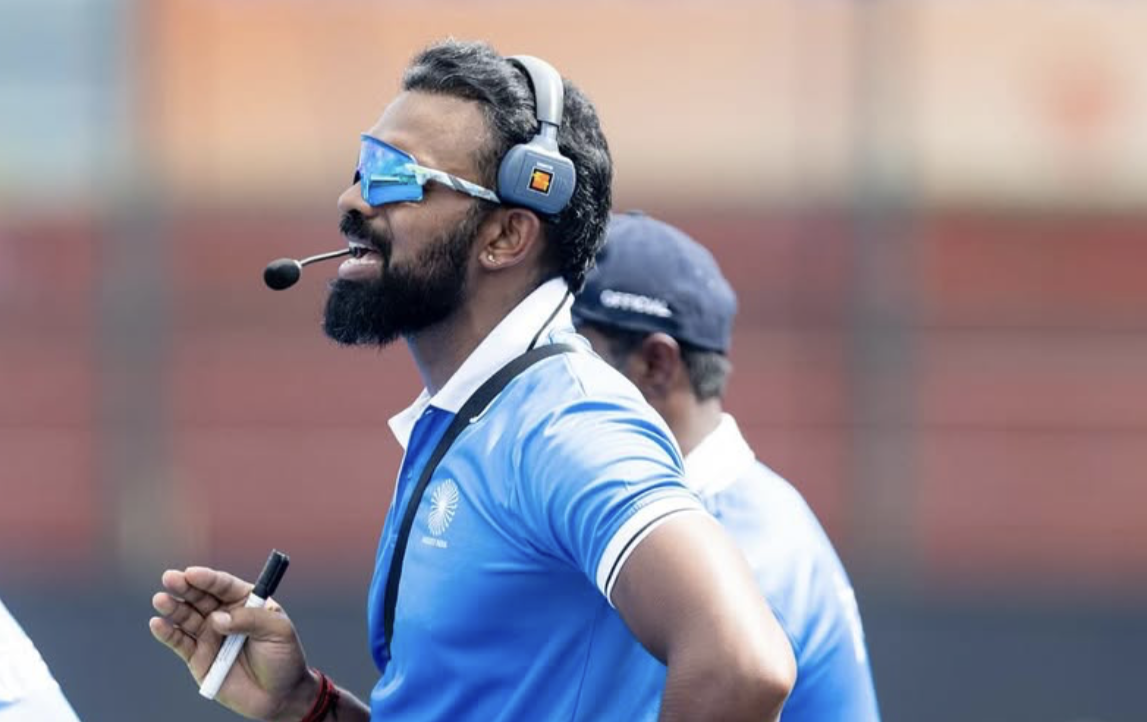
From his rooftop vantage point, chosen for its wider tactical view, P.R. Sreejesh sensed the match slipping away. If India were to end a nine-year wait for a Junior World Cup medal, the final quarter would need something extraordinary.
The two-time Olympic medallist sent his players a sharp, uncluttered message: “We have nothing to lose. Return from the field as medallists.”
We had the game under control but our finishing was off the mark. At 0–2 down with one quarter left, it was time to go all out.
Olympic Mindset, Junior Stage
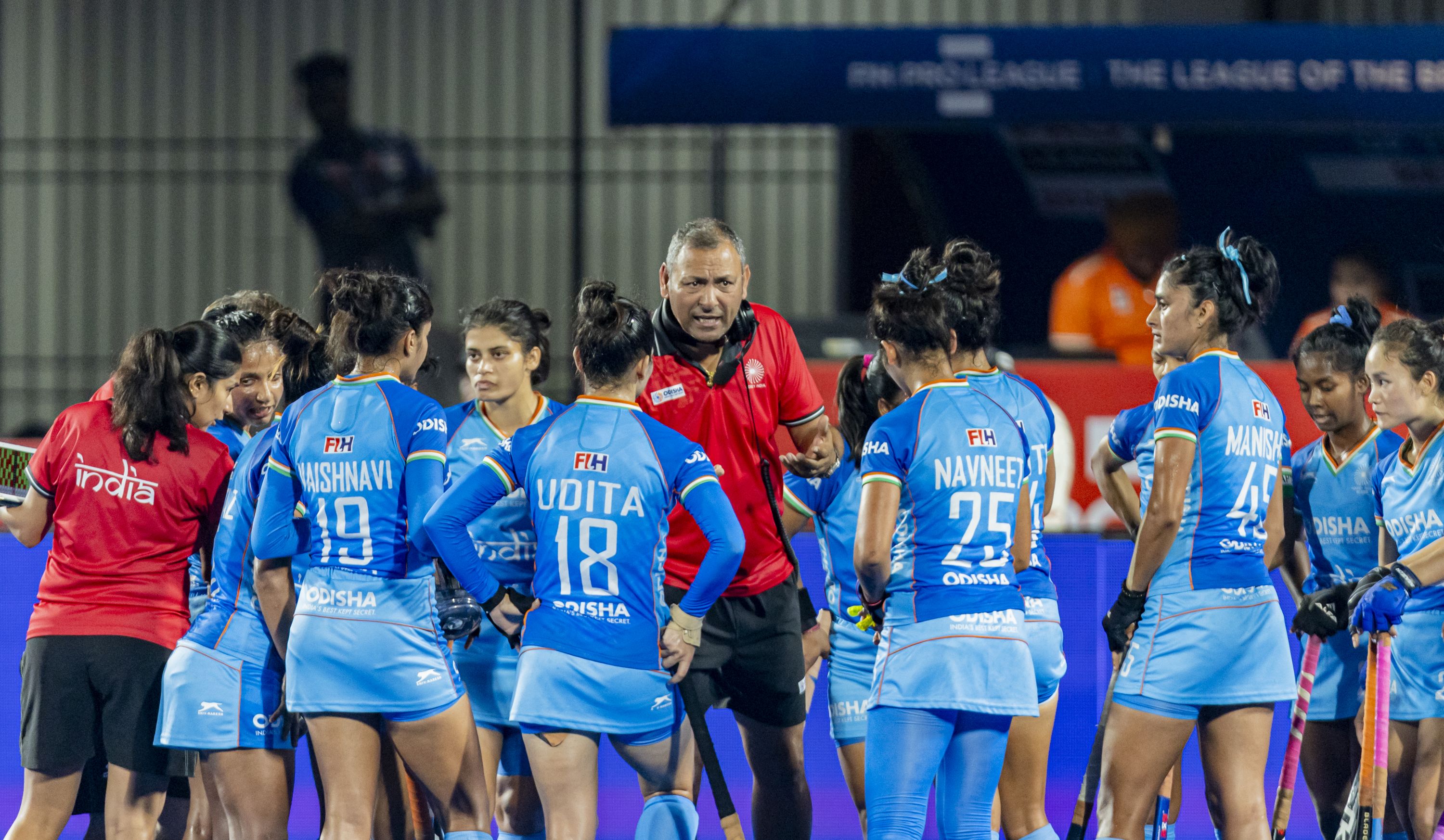
At halftime, Sreejesh and assistant coach Birendra Lakra drew from their own Olympic journeys. Both had played bronze-medal matches at Tokyo 2020 and Paris 2024 after losing their semi-finals.
In both Olympics, we went into the bronze match with a do-or-die mindset. We were only thinking about winning a medal. I told the boys to do exactly that, don’t return empty-handed.
A Tactical Reset That Flipped the Match
Sreejesh then executed a bold shift. India dropped their defensive posture and moved to a full-press system, applying constant heat on Argentina’s backline. The penalty-corner strategy was overhauled too, abandoning direct flicks for clever variations designed to disrupt the Argentine defence.
The change transformed the game.
After early strikes from Nicolas Rodriguez and Santiago Fernandez, Argentina suddenly found themselves overwhelmed. India erupted in the final quarter: Ankit Pal struck in the 49th minute, Manmeet Singh levelled four minutes later, Sharda Nand Tiwari converted a penalty stroke in the 57th, and Anmol Ekka smashed home a penalty corner in the 58th. The 4–2 comeback secured India’s latest Junior World Cup medal, joining the successes of 1997 (silver), 2001 (gold), and 2016 (gold).
The Message Behind the Medal
Moments later, Sreejesh posted an image online, a slide on his laptop that read: “Proud Indian. Playing for the flag. Fighting for the nation… Go out there and make our country proud.”
Wearing the India jersey is not a fancy thing; it comes with responsibility. These 18 players were chosen from more than a billion people. I wanted them to understand its value.
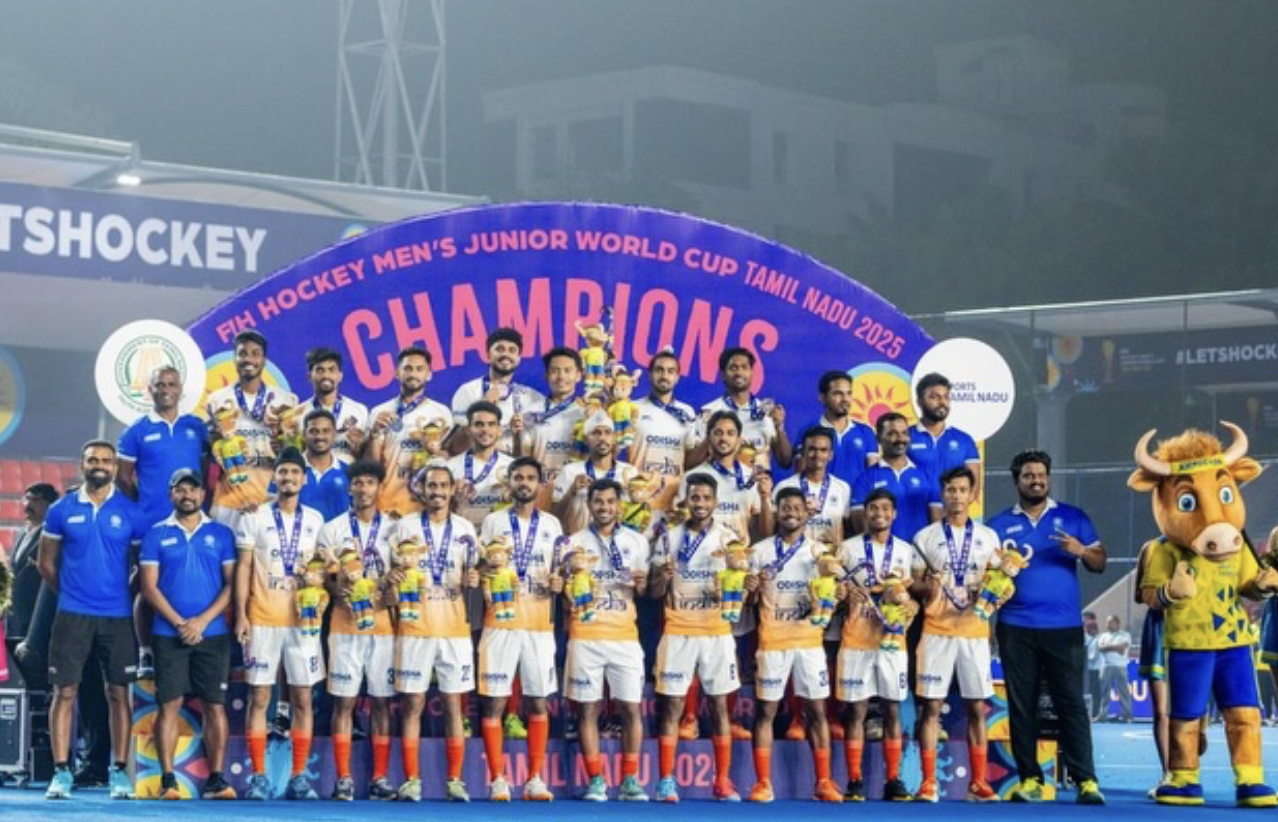
He praised the team’s resilience: “To bounce back after the semi-final loss to Germany and then from 0–2 down with 15 minutes left… we must applaud their character. They made the country proud.”
A Medal That Shapes the Future
For Sreejesh, this bronze is far more than a moment of celebration, it is a building block.
Junior World Cup medals have long-term impact. From 2001 to 2016, whenever India medalled, many of those boys moved into the senior team. My aim is to strengthen the feeder line for Indian hockey.
Silencing Doubts, Setting a Template
Appointed junior team coach just days after his final international match in Paris 2024, Sreejesh faced immediate questions about inexperience.
The outside noise was always there. Even in 2016, people asked, ‘Who after Sreejesh?’ And I still went on to play eight or nine years and won two Olympic medals.
His confidence comes from depth, not bravado. “I’ve played four Olympics and four World Cups under more than 20 coaches. I understand modern hockey and its challenges. The only question was whether I could convert that knowledge for the boys.”
That question, he believes, is now answered. “Coaching a young side carries huge responsibility, your choices impact their future. This medal gives me belief. It’s easy to copy-paste systems, but creating your own template and succeeding with it gives the greatest satisfaction.”