

Forty-two summers ago, Punjab Agricultural University (PAU) in Ludhiana woke up to gunfire. It was May 23, 1983. As dawn broke over the academic campus, the body of three-time Olympic medallist Prithipal Singh lay in a pool of blood — felled by four bullets, one of them to the face.
The assassins had vanished. What remained was shock, fear, and a silence that still echoes in Indian sport.
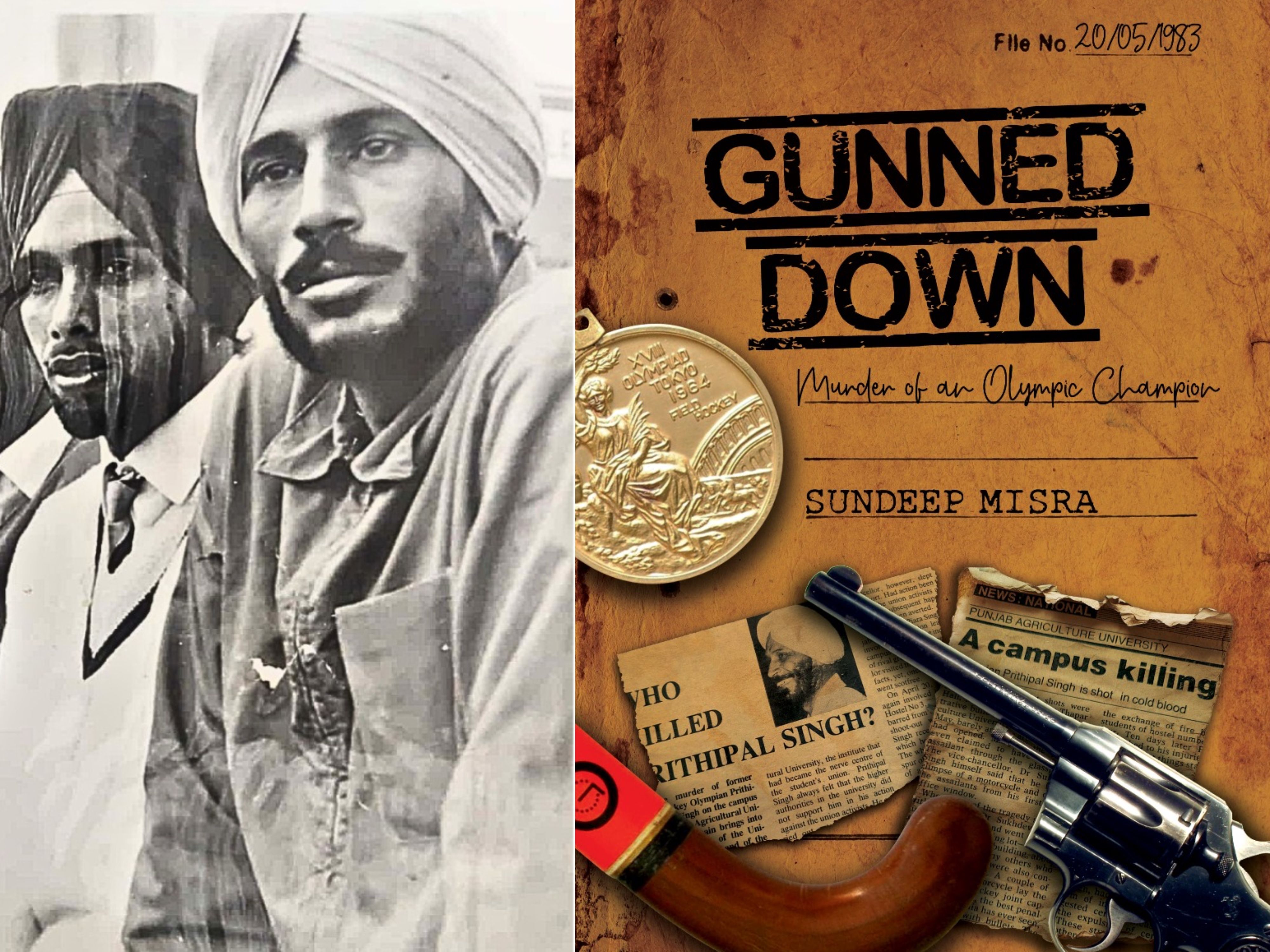
From Penalty Corner King to Tragic Martyr
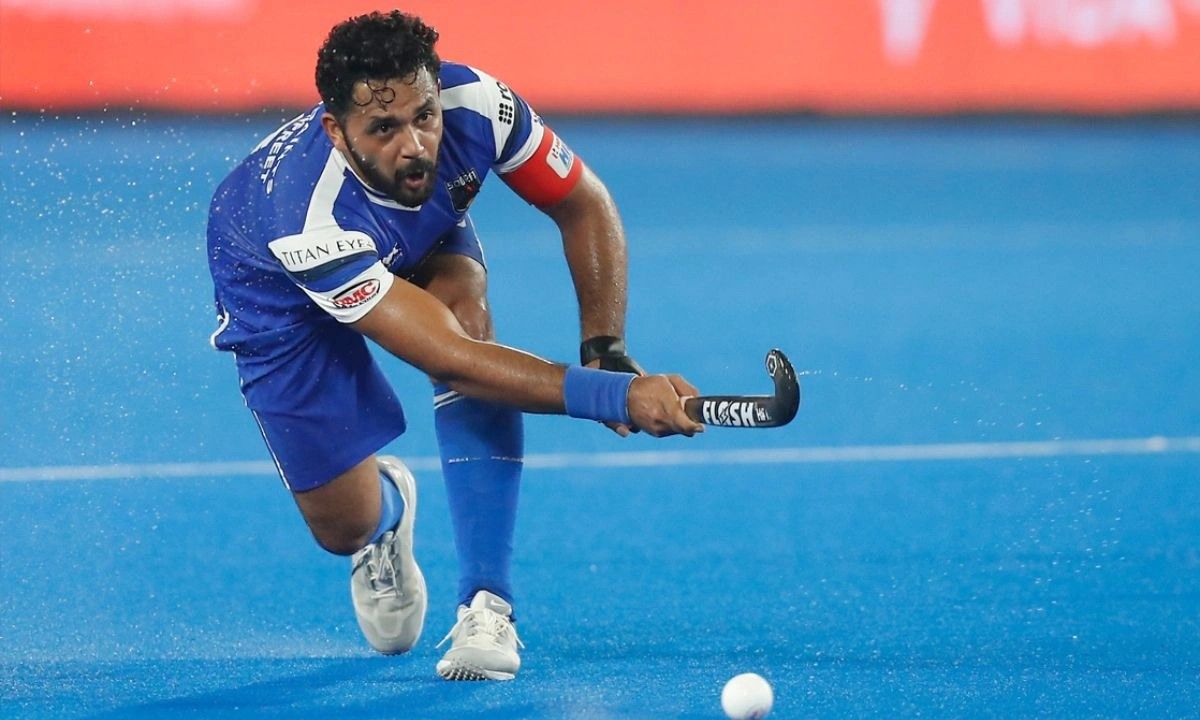
Singh, one of the most fearsome penalty corner experts in hockey history, was the heartbeat of India’s golden era. With a gold medal in Tokyo 1964, silver in Rome 1960, and bronze in Mexico 1968, he had the rare distinction of scoring prolifically in all three Olympics he played. But none of that greatness could shield him from a bitter feud rooted in university politics — a rivalry that would turn fatal.
The murder sent shockwaves through the Indian establishment, reaching all the way to then Prime Minister Indira Gandhi. Yet, justice never arrived. No closure. No convictions. No answers.
A Book That Dares to Ask What the System Ignored
Now, after four decades, acclaimed journalist Sundeep Misra attempts to pull back the curtain on this unresolved tragedy with his upcoming book, Gunned Down: Murder of an Olympic Champion. Set to release on August 12 in Chandigarh, the book explores how a national hero was killed in broad daylight — and how the case slowly disappeared from public memory.
I honestly don’t know if India failed Prithipal. But, yes, the police failed him. The system in Punjab at that time failed him. And, to an extent, he failed himself. He saw the danger. He was warned. But, like the fearless player he was, he walked right into it.
An Investigation that Went Nowhere
The book reveals startling lapses — like how accused Bachittar Singh initially confessed, surrendered, then retracted, and ultimately walked free. The narrative unravels how a mixture of apathy, political pressure, and silence turned a murder inquiry into a forgotten footnote.
A Deafening Silence Around a National Tragedy
Misra recalls the difficulty in piecing together the truth, as witnesses faded and many refused to speak. But one voice stood out — Prithipal’s 1964 Olympic captain, Charanjit Singh, who shared valuable insights into the man behind the medals.
I am indebted to the late Charanjit Singh. He helped paint the fuller picture — of a leader, a player, and a human being.
Overshadowed by Cricket’s Euphoria
Just a month after the murder, India lifted the cricket World Cup on June 25, 1983. The nation moved on. Prithipal was forgotten.
In the euphoria that followed, he was forgotten.
A Chilling Scene Reconstructed
Here’s a haunting excerpt from Gunned Down, reconstructing the final moments:
“Light grey trousers, white shirt, light green turban — Prithipal alighted from his bike. Seconds later, two men with covered faces took 10-15 purposeful steps towards him. Onlookers from the first floor sensed something wrong. They saw movement—hurried, silent, focused.
Then: the crack of gunfire.
People scattered. The hero of Tokyo fell.”
‘Gunned Down’ promises not just to document a death, but to resurrect a national conversation about justice, memory, and the quiet ways in which we forget our champions.
Will the book finally force the country to reckon with the murder of one of its greatest sporting icons?