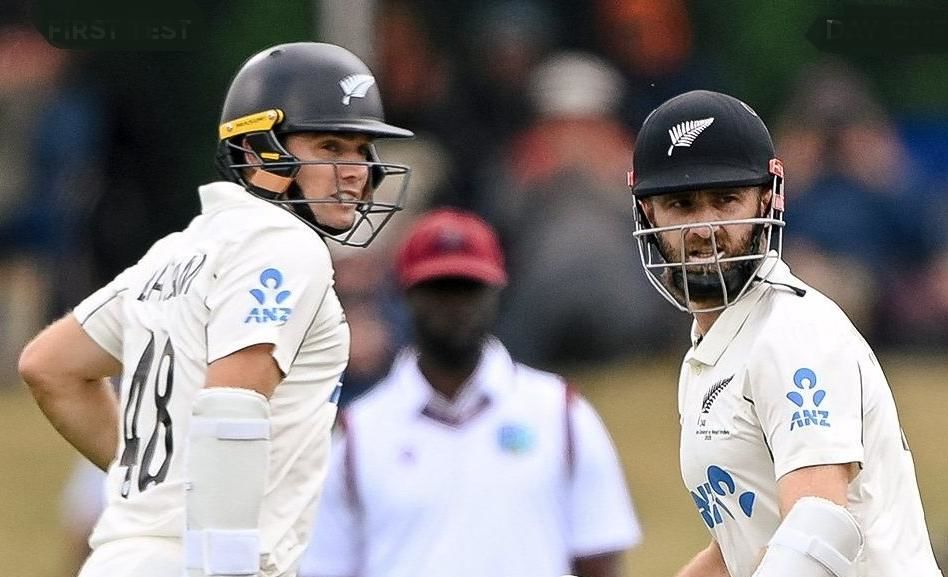



What would a young child feel watching two adults fight during a sporting event? Confusion, maybe even disappointment. When the Cricket Federation of Uzbekistan (CFU) joined the Asian Cricket Council (ACC) in August 2025, its officials knew they were stepping into a region where cricket is fuelled by passion and rivalries.
The recent Asia Cup trophy controversy, where protocol disagreements overshadowed player celebrations, only reinforced how cricket in South Asia is not merely a game but a stage for national sentiment.
For Uzbekistan, a nation stepping onto the cricketing stage with hope and determination, such moments serve as lessons rather than distractions.
“Cricket Is a Bridge”
Speaking exclusively to Telecom Asia Sport (www.telecomasia.net), CFU President Aziz Mihiliev explained how his federation interprets such incidents.
We do not comment on bilateral matters between two sovereign boards. CFU respects all member boards and regional bodies. Our stance is simple: cricket is a bridge. We stay focused on development, respect, and the spirit of the game.
His words underline a clarity of purpose: while cricket in its traditional powerhouses may sometimes be entangled in politics, Uzbekistan is determined to build its cricketing identity on stability, inclusivity, and learning.
IPL as a Classroom
Mihiliev revealed that Uzbekistan closely follows global trends, with the Indian Premier League being a particular source of inspiration.
Yes, interest in IPL is growing fast, particularly among youth and university players. We study IPL trends, matchups, fielding intensity, role clarity—as teaching material in our high-performance sessions. It’s a superb case study in execution under pressure..
This approach reflects a forward-looking strategy: to use the best of world cricket as a living classroom for young Uzbek players.
Starting with T20
For now, the CFU has chosen to concentrate on the T20 format, a sensible starting point for a country in its early stages. The flagship CFU Premier T20 League is already providing local players structured competition. Alongside it, a Women’s T20 competition and age-group events are steadily widening participation.
Uzbekistan has also invested in education, with the University of Physical Education and Sports recently launching a four-year Bachelor’s degree in cricket—the first of its kind in Central Asia.
From 1997 Friendlies to National Infrastructure
Such ambitions did not grow overnight. Cricket first entered Uzbekistan in 1997, primarily through Indian residents who organised informal matches. The real breakthrough came in 2019 when the Cricket Federation of Uzbekistan was formally established. By 2021, work had begun on the country’s first official cricket stadium in Tashkent, signalling intent. In 2022, Uzbekistan joined the ICC as an Associate Member alongside Cambodia and Ivory Coast.
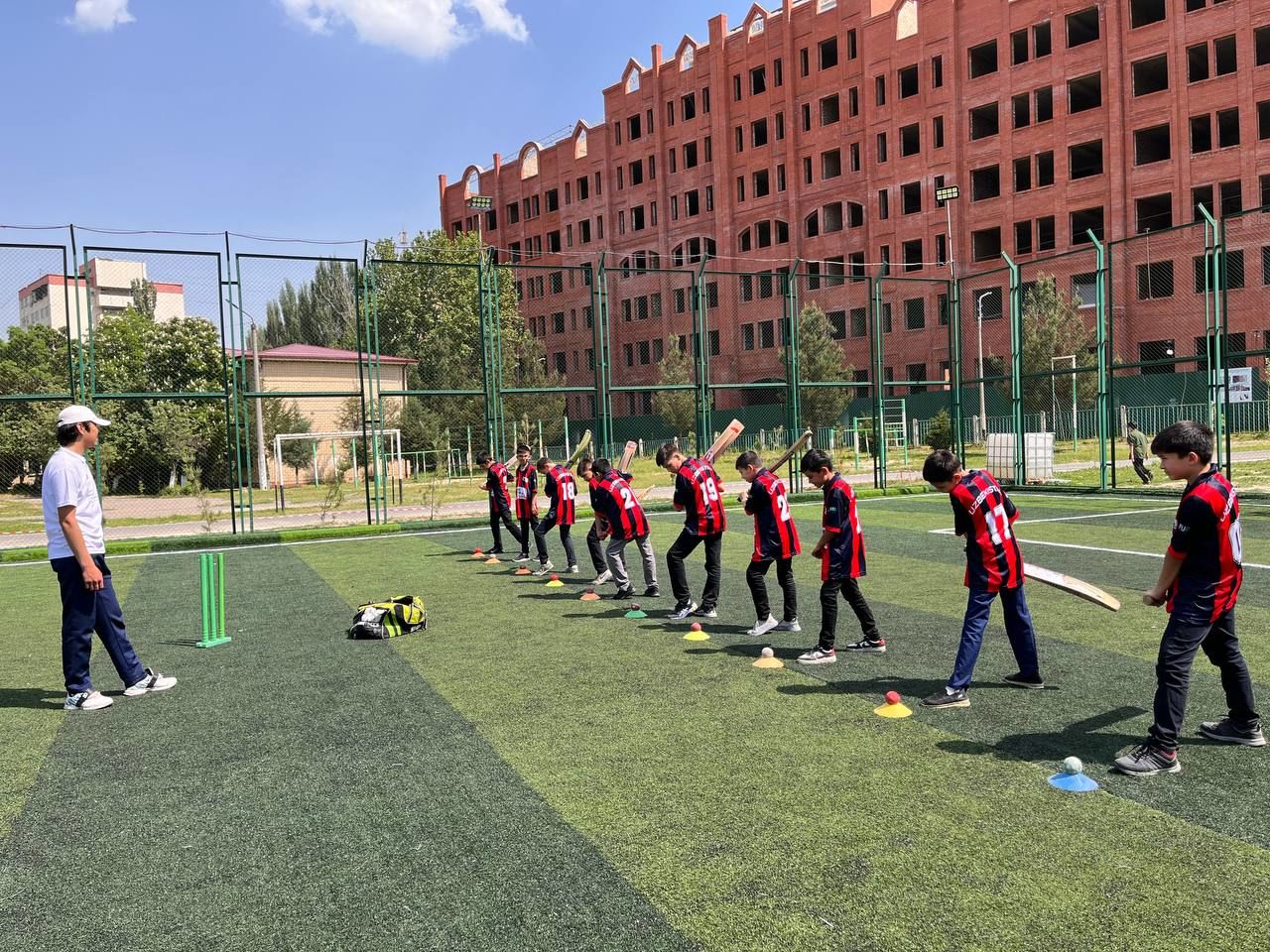
As of September 2025, we have 15 registered clubs/teams—eight fully local, four of Indian expats, and three of Pakistani residents—approximately 400-plus active male and female players, eight certified umpires/scorers, 38 Level-1 and four Level-2 coaches. These numbers are growing each quarter with our school and university registration drives.
He added: “Our strategy is homegrown first, supported by ICC-compliant eligibility. We’re investing in schools, university programmes, and coaching pathways. Diversity accelerates standards, so we pursue a dual-track approach: build local depth while welcoming eligible residents who raise the bar.”
Backed by National Policy
This vision aligns with Uzbekistan’s broader national policy. President Shavkat Mirziyoyev has been supportive of sports development across disciplines, and cricket has benefited from that encouragement. Stadiums in Tashkent and Qibray are being developed as hubs for the sport, providing young players with infrastructure previously unimaginable.
Turning Controversies into Lessons
The Asia Cup, with its fireworks and friction, was not ignored in Uzbekistan. While fans may have debated the trophy moment between India and Pakistan, coaches in Tashkent saw an opportunity.
We use major tournaments as learning moments During the Asia Cup window, our coaches circulated video briefs, powerplay patterns, overs analytics, matchups, and ran club-level review sessions. This helps translate international trends into our training blocks.
Crafting a New Identity
Uzbekistan’s cricket is not just about copying; it is about shaping a new identity. Promising young players such as fast bowlers Oybekjon, Asadbek, and Azizjon, along with opening batsman Jamshidbek, are already being tracked through the federation’s high-performance system. Women’s cricket too is showing rapid growth, especially in seam bowling and fielding standards.
For a country just stepping into organised cricket, controversies like the recent Asia Cup episode are unlikely to derail progress. As Mihiliev noted, "They don’t change our day-to-day mission. We focus on governance, participation, coaching, and facilities. The global game is bigger than any single moment; for new members, professionalism and consistency matter most.”
Patience and Professionalism
For a country just stepping into organised cricket, controversies like the recent Asia Cup episode are unlikely to derail progress. As Mihiliev noted, “They don’t change our day-to-day mission. We focus on governance, participation, coaching, and facilities. The global game is bigger than any single moment; for new members, professionalism and consistency matter most.”
A Story of Humility and Ambition
It is this blend of humility and ambition that makes Uzbekistan’s cricketing story inspiring. While established boards grapple with history and politics, Uzbekistan is scripting its future with patience, grassroots focus, and structured competitions—a roadmap many emerging nations could learn from.