


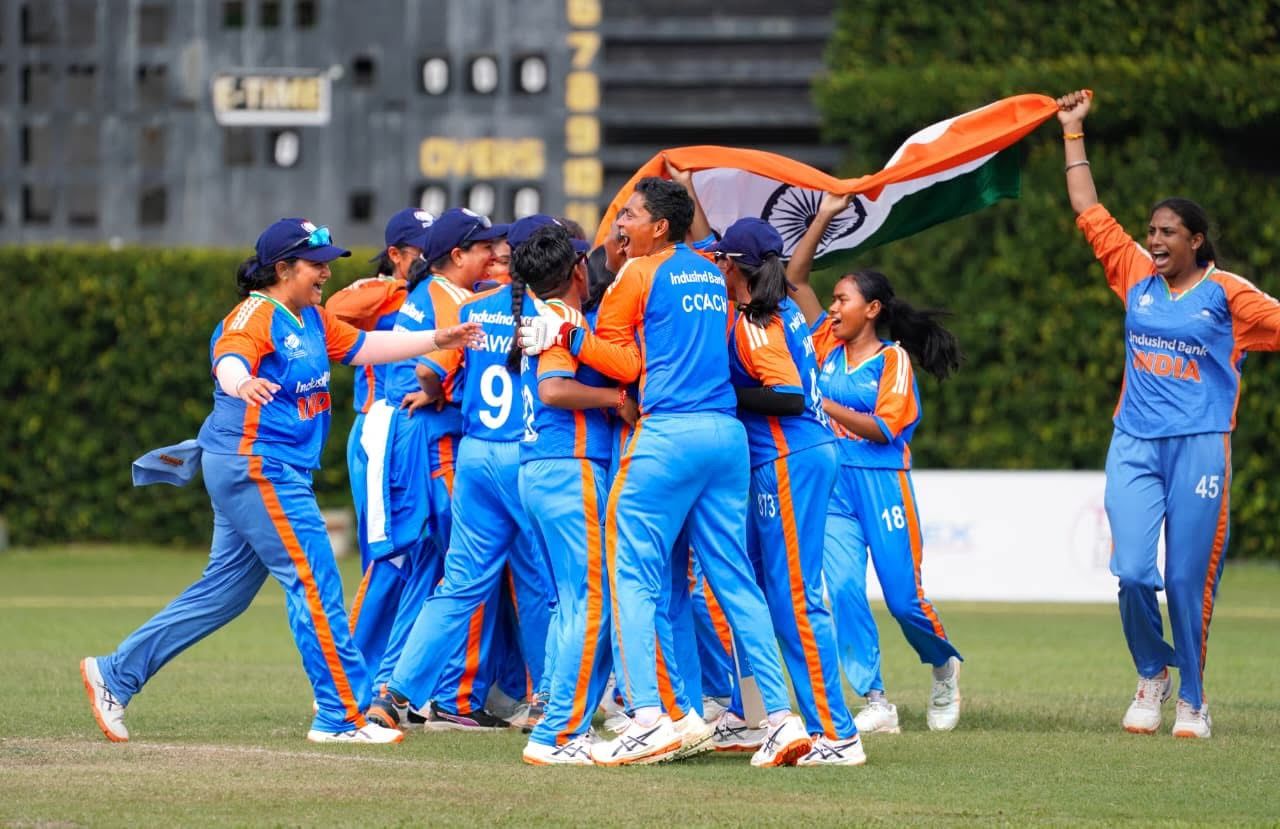
India crowned themselves champions of the first-ever Blind Cricket Women’s T20 World Cup, sweeping aside a spirited Nepal side in Colombo and completing a tournament in which they never once eased off the accelerator.
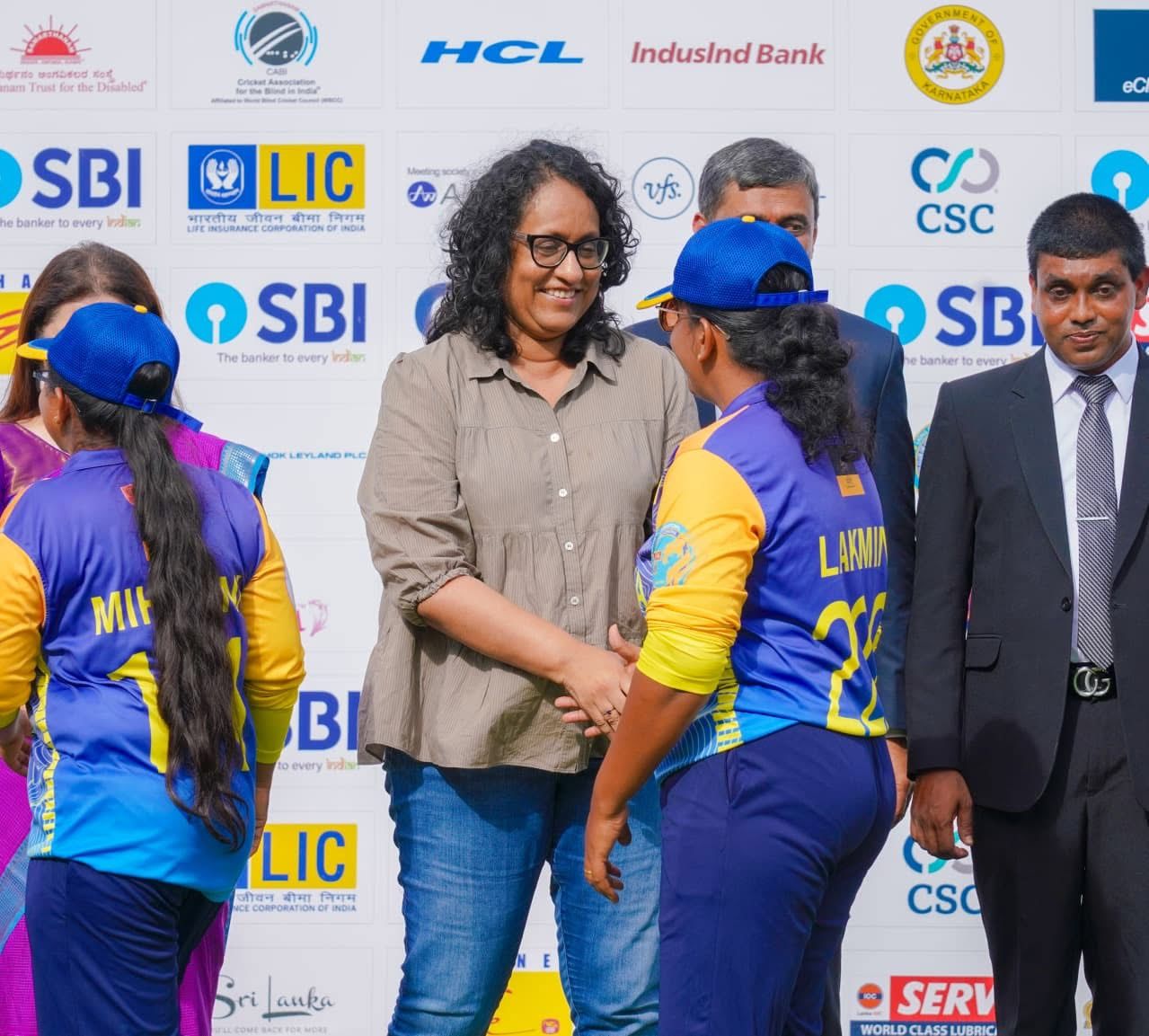
Sri Lanka’s Prime Minister, Dr Harini Amarasuriya, made time to meet players before the final, calling the event a milestone for women’s sport and accessibility.
This World Cup is more than just a competition. It is a collective statement about access, equity and the growing participation of women in sport.
India Unbeaten; Nepal the Giant-Killers
India’s campaign was ruthlessly efficient. They cruised through all five league games and then swept past Australia in the semi-final.
Nepal, meanwhile, produced the shock of the tournament when they toppled Pakistan in the other semi-final, a result that denied fans a classic India–Pakistan showdown but gave the final a fresh narrative of ambition and grit.
In the decider, Nepal’s 114 never quite looked enough. India chased the target with ease, winning by seven wickets and with eight overs to spare. Sri Lanka and the United States rounded out a tournament that showcased just how widely the sport has spread.
Cricket Without Conflict
Meetings between India and Pakistan in mainstream cricket are often tense, sometimes literally avoiding handshakes. Blind cricket, however, offered a reminder of the sport’s softer side.
Here, there were no verbal volleys, no glare-filled stand-offs — just handshakes, conversation, and mutual respect. It felt like a small but powerful reset button for cricket culture itself.
Colombo Steps Up, and a 95-Year-Old Stalwart Shines
The early stages in Bangalore and New Delhi preceded the knockout phase in Colombo, where questions lingered about whether organisers could handle the financial demands of a global event. Supporters, however, quietly and decisively stepped in.
Among them was 95-year-old Chandra Schaffter, Sri Lanka’s oldest living cricketer. His decades-long commitment to the sport made him a natural patron of the Colombo leg, played at the historic P. Sara Oval — a venue touched by Don Bradman and home to Sri Lanka’s first Test win.
The Unique Rhythm of Blind Cricket
Blind cricket has its own language, its own music. The sport uses an underarm style, banned in mainstream cricket since 1981, and a white plastic ball filled with ball bearings that rattle across the turf. Players navigate by sound and instinct, not sight.
Teams include a mix of fully and partially blind cricketers (B1, B2, B3 categories), with each side required to field at least four completely blind players. To keep things equitable, partially blind players are blindfolded; B1 batters use runners to prevent collisions.
Since 1996, the global game has been overseen by the World Blind Cricket Council, headquartered in London. While men’s blind cricket has long featured ODIs and T20s, this year marked a landmark step: the debut of the women’s T20 format.