


Former Sri Lankan off-spinner Jayananda Warnaweera, who passed away on Thursday aged 64 after a brief illness, had his moments of brilliance with the ball — but it was his off-field legacy that truly defined him.
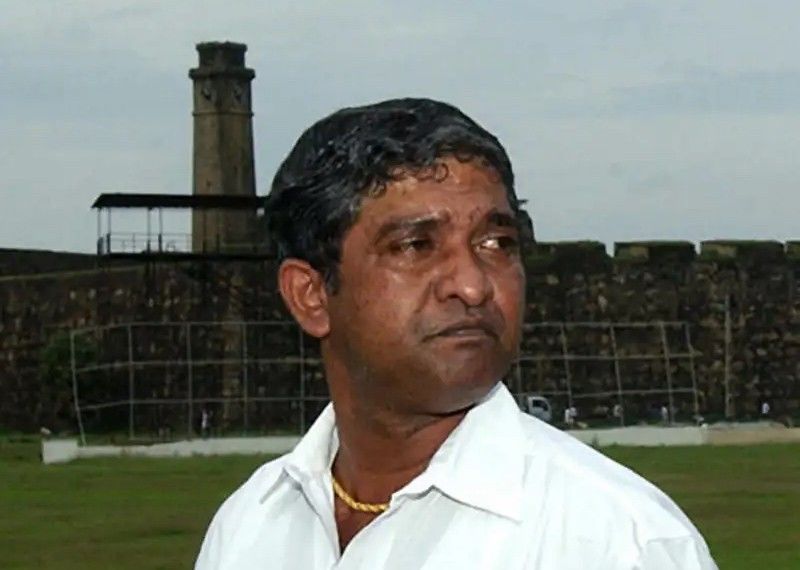
A proud product of Mahinda College, Galle, Warnaweera was part of Sri Lanka’s early Test triumphs — their maiden victories over New Zealand in 1992 and England in 1993, both at the SSC. He took six and eight wickets in those landmark games. Yet, it was his work as curator and custodian of the Galle International Stadium that left an indelible mark on the nation’s cricketing story.
The Man Who Gave Galle Its Soul
After retirement, the prolific Galle Cricket Club bowler seamlessly transitioned into his new role as curator when the venue was granted Test status in 1998. Under his watchful eye, Galle transformed into a spinner’s dream and a batsman’s nightmare — a venue both feared and revered.
With the Old Dutch Fort standing sentinel in the background, Galle grew into one of the most picturesque venues in world cricket. Even when Sri Lanka’s form wavered, teams around the world queued up to play there — drawn by its beauty, mystique, and Warnaweera’s immaculate pitches.
Rebuilding From The Ruins
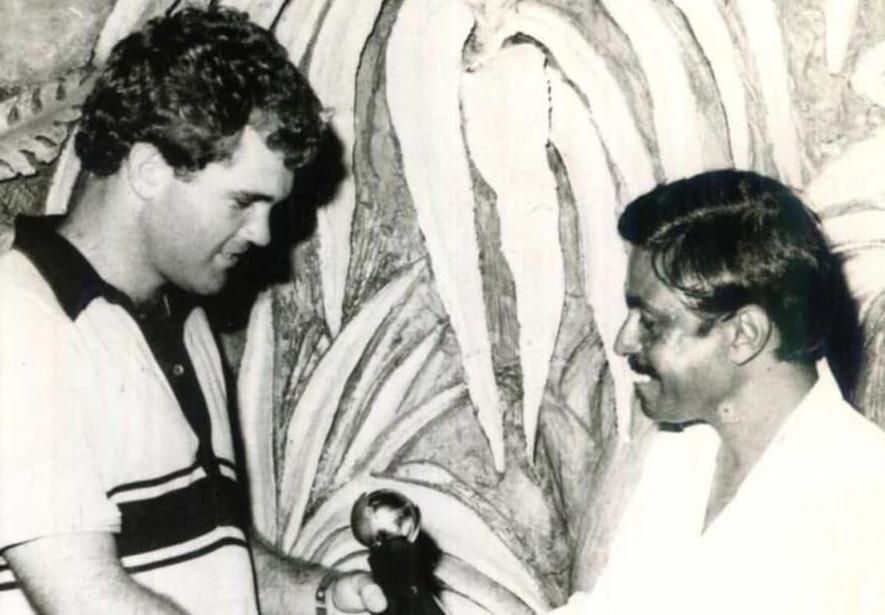
Warnaweera treated the stadium as his second home. When the 2004 tsunami devastated the southern coast and flattened the ground, he led from the front in its resurrection. Australian legend Shane Warne — who had claimed his 500th Test wicket at Galle just months earlier — was among those who rallied behind Warnaweera’s rebuilding efforts.
By 2010, Galle had undergone a remarkable transformation — complete with new dressing rooms, hospitality boxes, and a modern media centre — the fruits of Warnaweera’s vision and drive. During match days, he virtually lived at the ground, monitoring every blade of grass and every patch of turf.
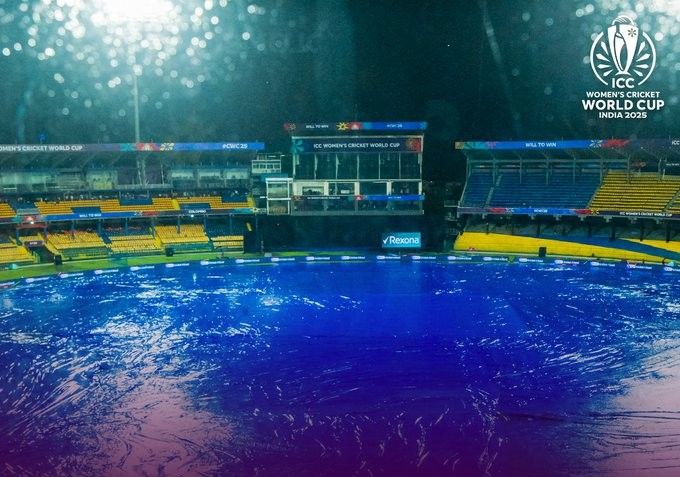
It was his idea to fully cover the ground during rain — a pioneering move in Sri Lankan cricket that other venues soon followed. His groundstaff’s speed and precision during weather interruptions became the envy of visiting teams.
The Power Behind The Scenes
But Warnaweera’s influence extended well beyond the boundary lines. For two decades, from 1995 to 2015, he was a key powerbroker in Sri Lanka Cricket, helping shape its executive decisions and earning a reputation as a behind-the-scenes kingmaker.
His methods often divided opinion, but few could deny his knack for getting things done. When the Archaeological Department objected to a new grandstand for obstructing the Fort’s view, Warnaweera quietly renamed it the Mahinda Rajapaksa Pavilion after the then-President — and the objections vanished overnight.
A Fall From Grace
In 2016, his long reign came to a halt when the ICC suspended him for failing to cooperate with a corruption inquiry. It marked the end of an era. From then on, he withdrew from public life, spending his remaining years away from cricket’s limelight.
A Complex Legacy
Flamboyant, controversial, and unwaveringly loyal to Galle, Jayananda Warnaweera was a man who polarised opinions but commanded respect. His life embodied both the brilliance and the blemishes that define Sri Lankan cricket’s story.
One thing, however, remains beyond dispute — without Jayananda Warnaweera, Galle would never have become the fortress it is today.