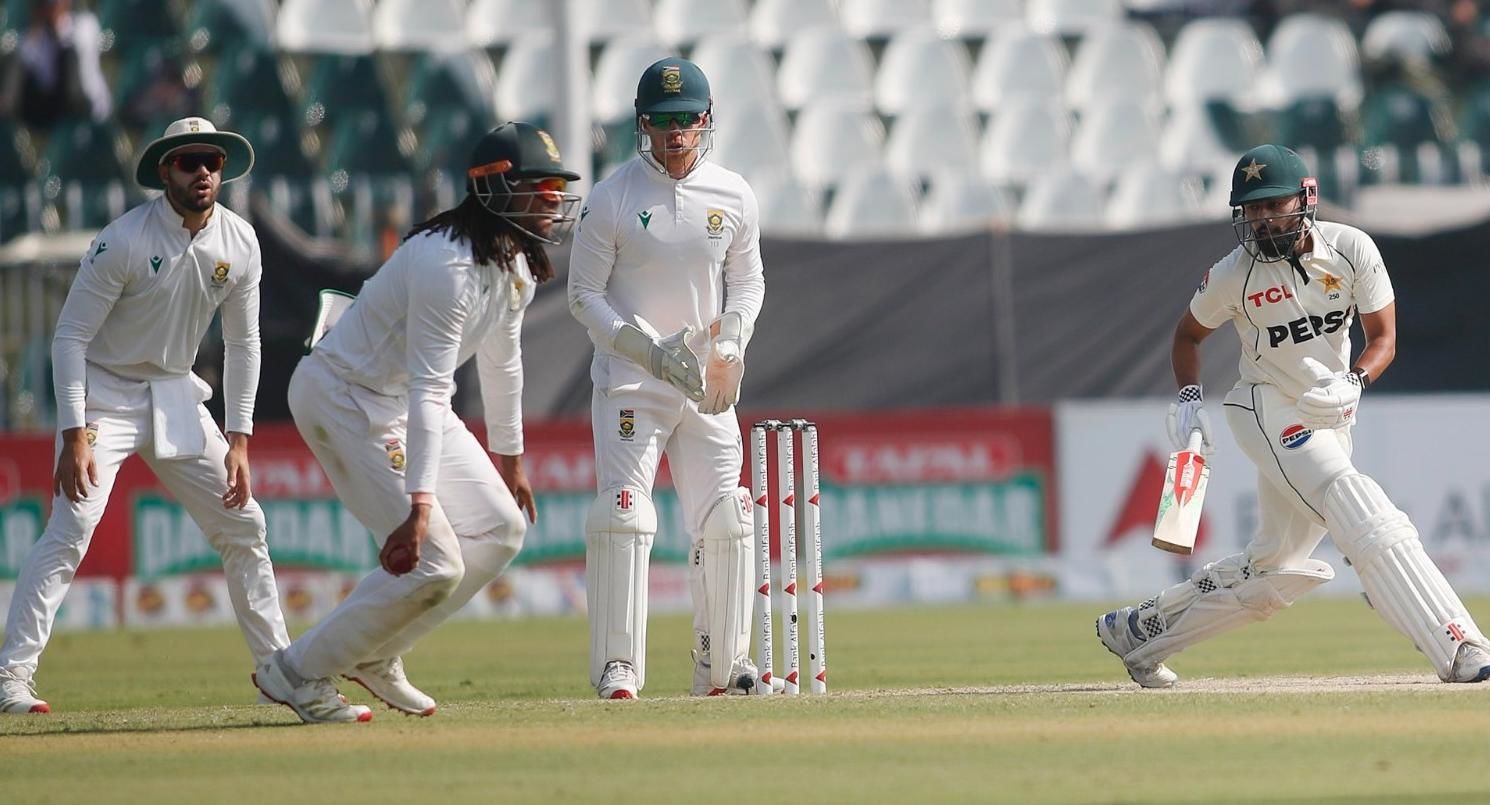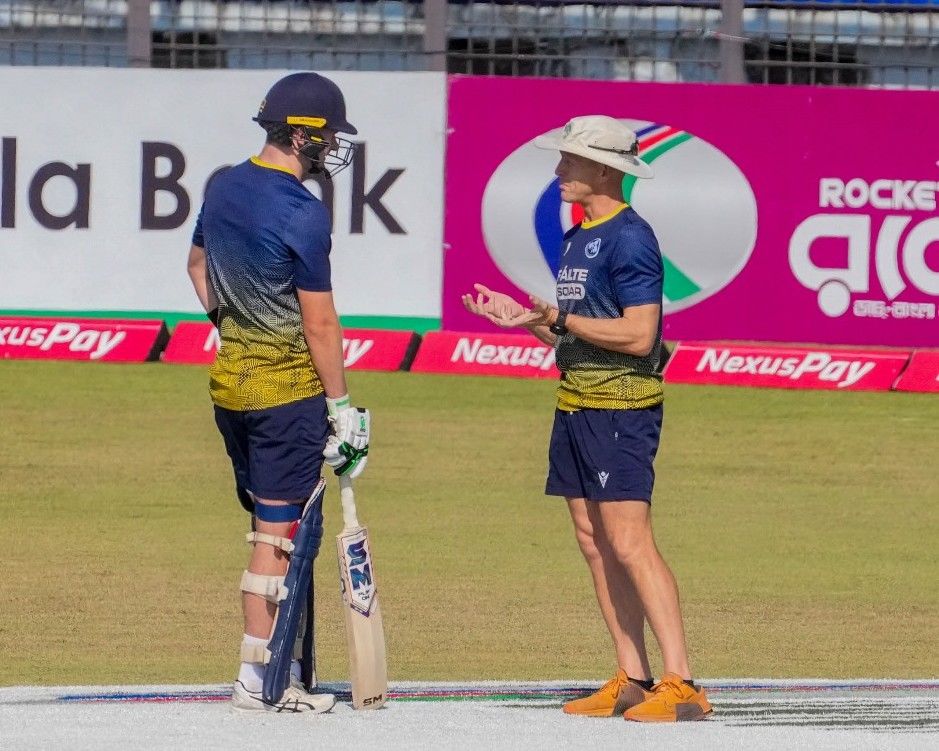



Fresh from dismantling Pakistan with a six-wicket haul, South African spinner Simon Harmer speaking Telecom Asia Sport (www.telecomasia.net) has hailed India as the toughest side to beat in world cricket, calling them “a complete outfit” across all formats.

The 35-year-old off-spinner from Transvaal produced a stunning 6 for 50 on day four of the second Test to help South Africa to a clinical eight-wicket win and a 1-1 series draw at the Rawalpindi Cricket Stadium on Thursday.
The victory marked South Africa’s first win of the new ICC World Test Championship cycle and gave them a confidence boost ahead of their next big assignment — a two-Test series in India, starting November 14 in Kolkata.
India is a tough team to play at the moment, and they have a huge pool of stadiums with different conditions and players.
Milestone Man: 1,000 First-class Wickets and Counting
In a personal milestone, Harmer also joined an elite list of South African bowlers by taking his 1,000th first-class wicket in his 235th match.
He became only the fourth South African to achieve the feat, following legends Mike Procter (1,417), Allan Donald (1,216), and Charlie Llewellyn (1,013).
Reaching that mark feels special, but more importantly, this win gives us belief. We learned a lot about how to bowl and win in these kinds of conditions.
Lessons from Pakistan for Battles Ahead
Harmer believes South Africa’s experience on turning tracks in Pakistan will prove invaluable for their upcoming tours to India and Sri Lanka.
Before coming on this tour, we knew we needed to learn quickly so that when we play in India, we are good from day one. India’s spinners are world-class, and their batters handle spin brilliantly. Winning here gives us a bit of a head start.
Harmer called the drawn series “an ideal start” to South Africa’s World Test Championship campaign.
Leaving for India with a 1-1 is a good result. The WTC is about matches won, so a 50 percent winning start gives us confidence heading into the next series.
Spin Blueprint: ‘Take Away Their Boundary Options’
Harmer revealed the tactical approach that worked against Pakistan — and one the Proteas plan to replicate in India.
You need to take away their boundary options, and it worked here, so we’ll try to repeat that in India as well. The four of us spinners kept chatting and sharing plans. We weren’t good in the first Test, but we picked it up here.
Harmer’s Masterstroke: The Plan Behind Babar’s Dismissal
One of the defining moments of the match came when Harmer removed Pakistan captain Babar Azam — a wicket he described as the “most crucial” of the day.
“In the subcontinent, as an off-spinner to a right-hander, there’s a lot of turn from outside off, so batters can take certain dismissals away,” he said. “We were mindful of the lead — didn’t want it to get away — so we had to attack smartly.”
Harmer detailed how he used his experience of bowling to Babar in English county cricket to outthink him.
“I’d bowled to him when he played for Somerset in the UK. I knew if I came around the wicket, it would take away his sweep shot — he’s a very good sweeper. From that angle, it kept the stumps in play and made him less comfortable,” Harmer said.
We’ll have to make smart plans for the Indian batters as well — they’re exceptional players of spin.
From Pakistan to India: Momentum and Belief
Harmer’s performance in Rawalpindi not only gave South Africa their first win of the WTC cycle but also underlined their growing adaptability on Asian pitches — long considered their Achilles’ heel.
As the Proteas head to India, Harmer’s confidence, tactical nous and rediscovered rhythm could prove decisive in their quest to challenge the world’s toughest team on their own turf.