


Hyderabad Blues, Bengaluru Bravehearts, Mumbai Dreamers, Delhi Redz – the names may not yet resonate with India’s cricket-first fan base. But as a franchise league wave sweeps the country in football, volleyball, kabaddi and table tennis, rugby is the latest to join the movement.
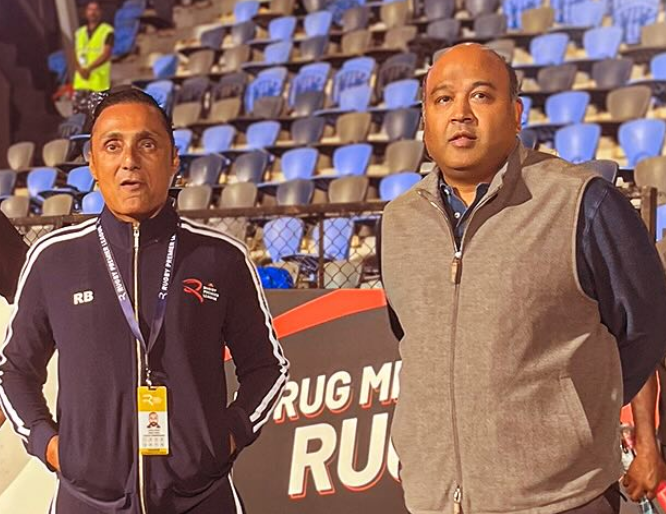
The inaugural edition of the GMR Rugby Premier League (RPL), a six-team competition, is currently turning heads at Mumbai’s Andheri Sports Complex, with the final set for Sunday. At the heart of it is Rahul Bose, Bollywood actor and former India rugby international, who now leads the charge as President of the Indian Rugby Football Union (IRFU).
This Sevens rugby league could be a real gamechanger for the sport in India. Rugby is one of the biggest global sports, and India has been making steady progress. This felt like the right time to take the leap towards launching a professional league.
A Delayed Start, But a Promising Beginning
The fast-paced Sevens format has surged in popularity worldwide and has been a part of the Olympic Games since Rio 2016. Bose had been considering a league since taking over IRFU in 2022. Although it was officially announced in early 2024, the league’s launch was delayed due to unforeseen issues, including a border conflict in May.
Our biggest concern was quality. We knew the league would only work if the product on-field met a high standard. While official viewership numbers are still awaited, we’re hearing encouraging reports.
Building a Balanced League
Creating parity among the teams was key. The IRFU shortlisted 30 overseas marquee players from top Sevens nations, guided by six designated coaches. To bridge the skill gap between those stars and domestic players, Bose’s team introduced "bridge players" — professionals from countries like Germany and Hong Kong, who could complement both ends of the spectrum.
Each squad was built using a 5-3-5 formula:
• 5 marquee internationals
• 3 bridge players
• 5 Indian players
The draft process helped distribute talent evenly. We’ll assess how it plays out this season and refine things going forward.
A Man of Many Roles
Pioneering a new league hasn’t been easy, but Bose is no stranger to balancing identities — as a celebrated actor, international player, and now administrator.
If you truly love two things, you find time for both. I used to plan my film shoots around rugby camps. It was like raising two children — you can’t prioritise one and neglect the other.
That same passion continues today. During the Indian women’s rugby camp ahead of the 2023 Asian Games in Kolkata, Bose was on the field at 5 am daily at the SAI complex, training with the players. In the official RPL promo, he dives into action to demonstrate what a ‘try’ is.
A rugby stadium in Odisha now bears his name — though you wouldn’t hear it from him. “It’s been a joy to stay involved with the sport this way,” he said, modest as ever.
What Lies Ahead
All players in the RPL are also part of the Indian men’s national team, which will compete in the Asian Trophy later this year. A slight improvement on their seventh-place finish last time would be seen as a step forward.
For now, the RPL has done what it set out to — bring visibility, professionalism and purpose to Indian rugby. What began as Rahul Bose’s labour of love is now India’s latest addition to the sporting mainstream.