The 13th edition of the ICC Women’s Cricket World Cup (50 overs) will be played in India and Sri Lanka from September 30 to November 2, 2025. With seven-time winner Australia, four-time champion England and hosts India among the frontrunners, the stage is set for a month of enthralling cricket.
A Tournament with Legacy
Launched in 1973, the Women’s World Cup predates the men’s version and remains the oldest global competition in women’s cricket. While the T20 format has stolen much of the limelight in recent years, the one-day game continues to be the format where strategy, patience and skill are tested to the fullest.
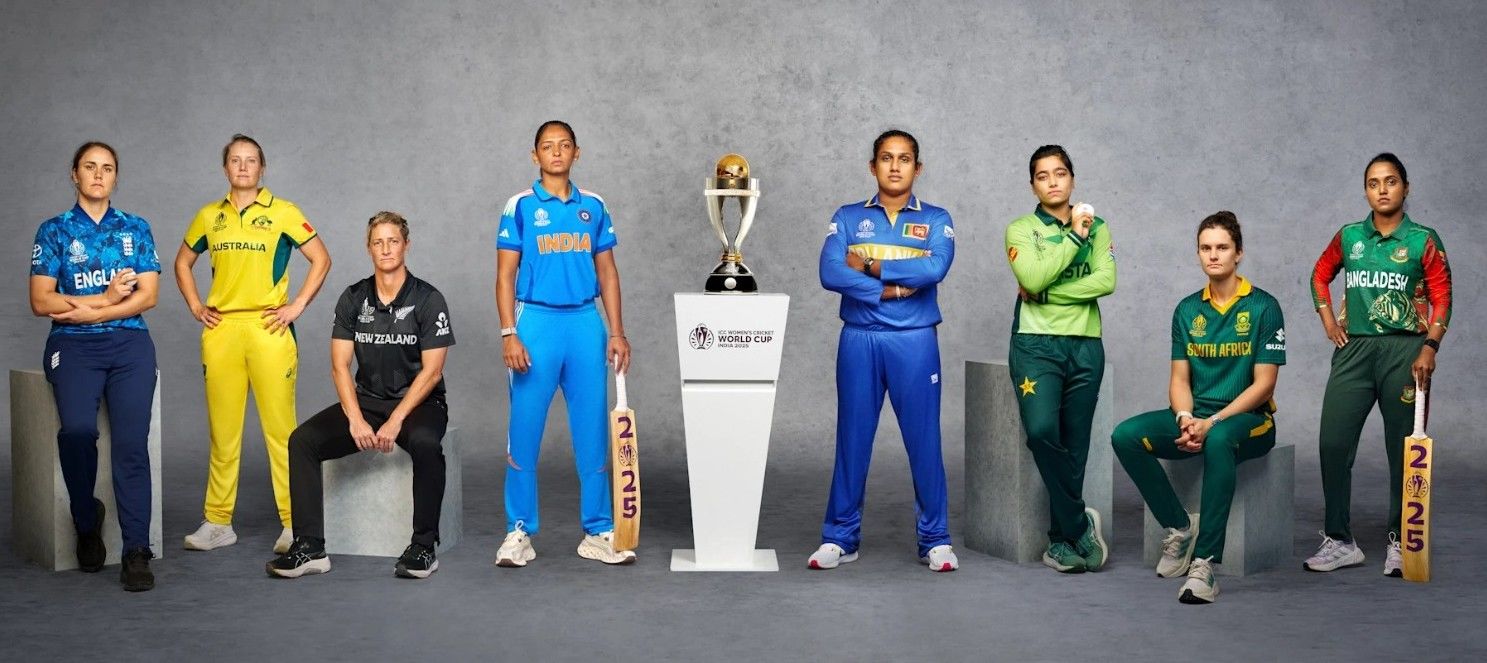
Eight teams will battle this time: Australia, Bangladesh, England, India, New Zealand, Pakistan, Sri Lanka and South Africa. They’ll face each other in a round-robin format, with the top four qualifying for the knockouts.
What’s at Stake?
It’s not just prestige. With a prize fund of USD 13.88 million, the winner will pocket USD 4.48 million, while the runner-up earns USD 2.24 million. Even the seventh and eighth-placed teams won’t go home empty-handed, bagging USD 280,000 each.
Venues and Timings
Matches will be staged across Guwahati, Indore, Navi Mumbai and Visakhapatnam in India, along with Colombo in Sri Lanka.
• Opening match: India vs Sri Lanka, September 30, Assam Cricket Association Stadium, Guwahati.
• Final: November 2, to be held in Navi Mumbai or Colombo (venue depends on Pakistan’s qualification, as the team will not travel to India).
• Match timings: All games start at 3.00 pm local time (0930 GMT).
How to Watch
• India & South Asia: JioStar on Star Sports (TV) and Jio-Hotstar (digital). Feed also available in Bangladesh, Sri Lanka, Nepal, Maldives and Bhutan.
• Americas: Willow TV (USA, Canada), ESPN (Caribbean, South America), also streaming via Disney+.
• UK: Sky Sports Cricket (all matches), with 29 also on Sky Sports Main Event.
• Australia: Prime Video – live, exclusive and free.
• New Zealand: Sky TV
• Rest of World: ICC.tv (official streaming).
Favourites and Challengers
Australia: The Benchmark
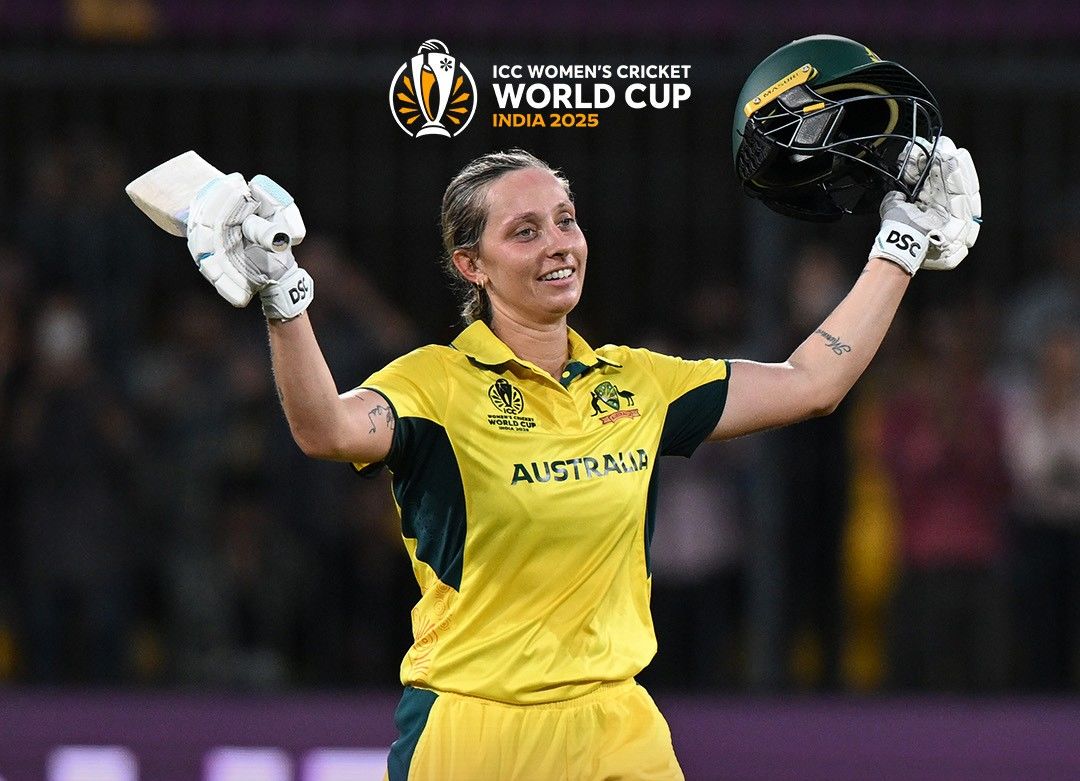
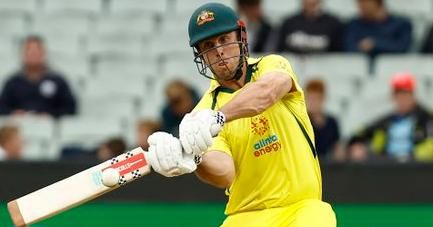
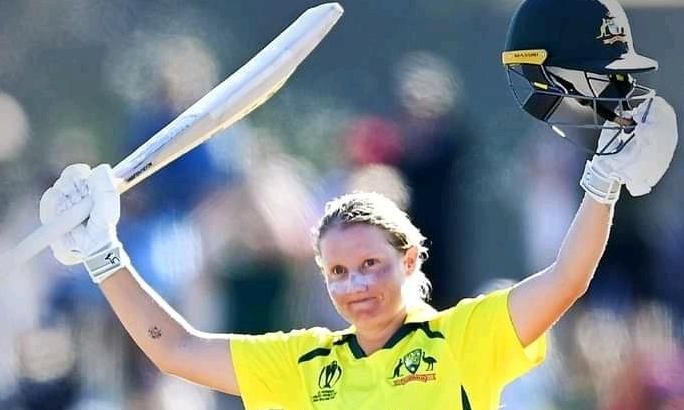
Seven-time champions (1978, 1982, 1988, 1997, 2005, 2013, 2022), Australia remain the team to beat. With 79 wins in 93 World Cup matches, their record speaks volumes.
England: Experienced Hunters
Winners in 1973, 1993, 2009 and 2017, England are led by Nat Sciver-Brunt, arguably the finest all-rounder in the women’s game.
India: Chasing Glory at Home
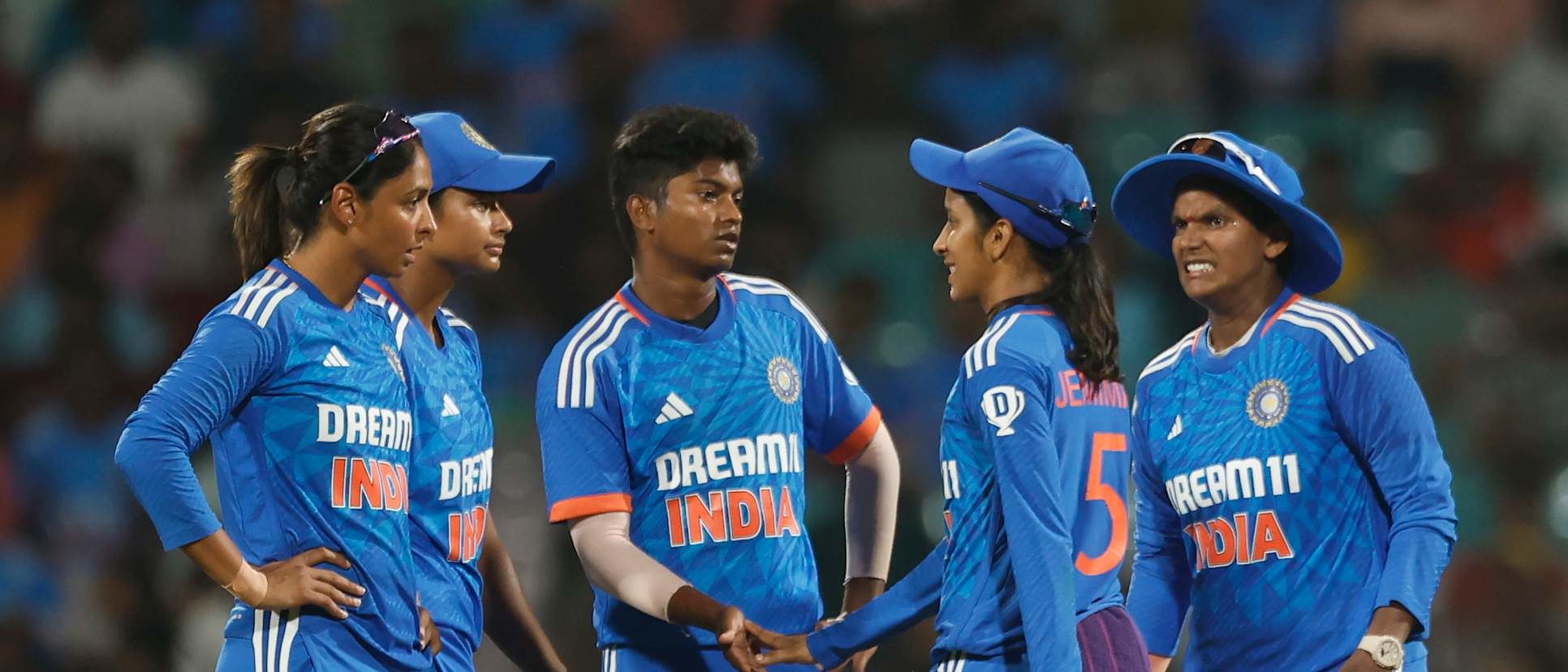
Twice runners-up (2005, 2017), India are desperate to go one step further. Their fifth-place finish in 2022 was underwhelming, but playing in familiar conditions could provide the edge this time. Vice-captain Smriti Mandhana’s purple patch only adds to the optimism.
Dark Horses: New Zealand and Sri Lanka
• New Zealand last tasted World Cup glory in 2000. With talents like Sophie Devine, Georgia Plimmer and young Flora Devonshire, they can upset the heavyweights.
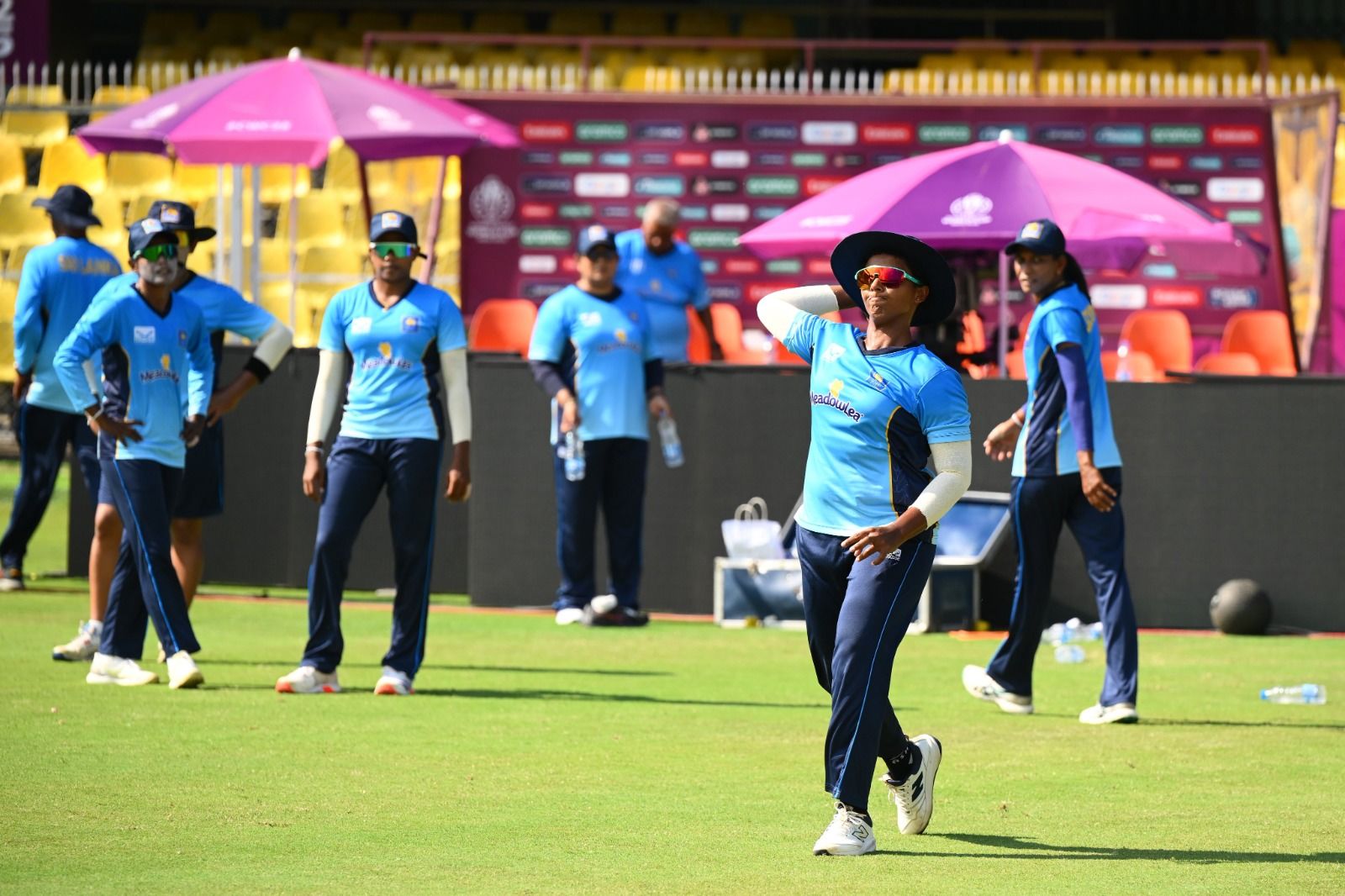
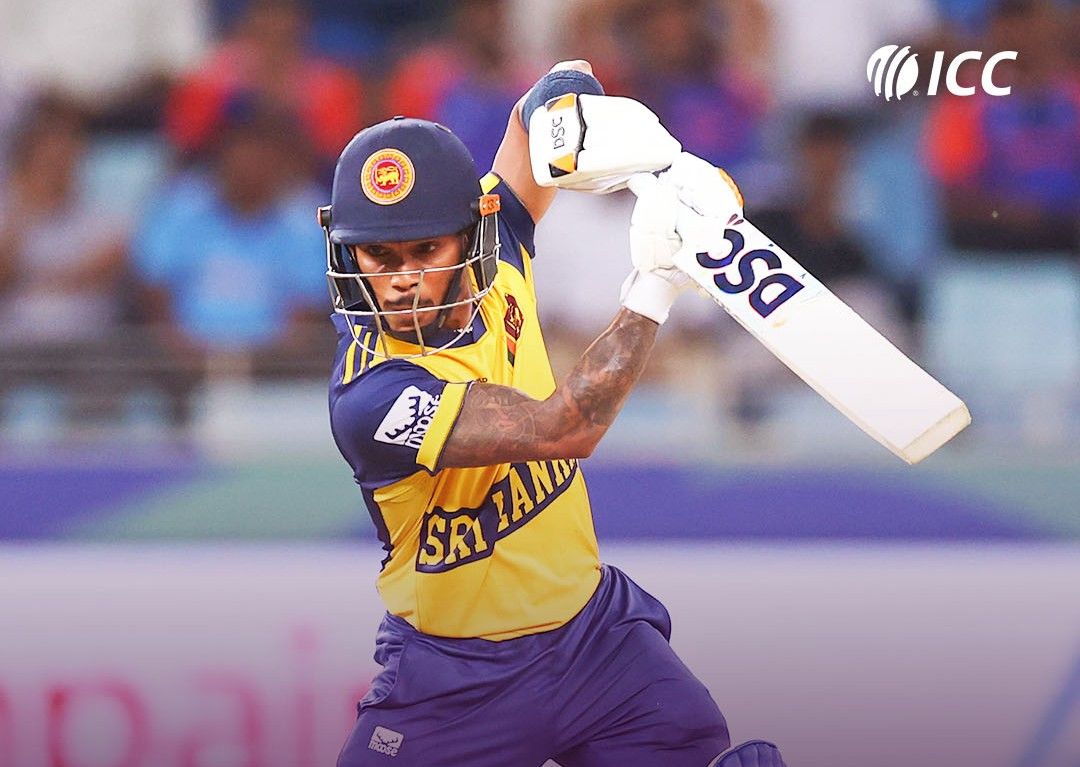
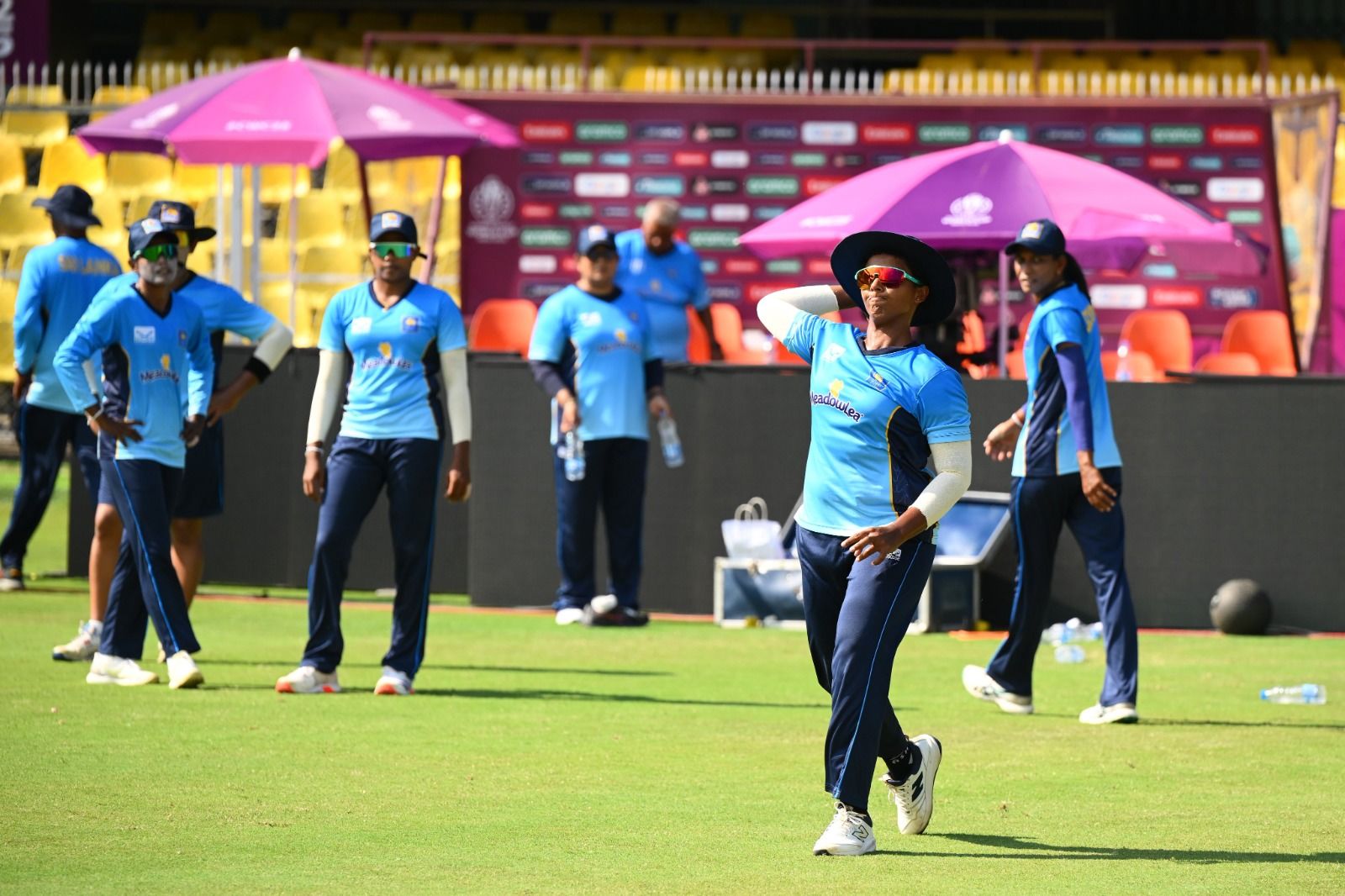
• Co-hosts Sri Lanka, led by Chamari Athapaththu, will look to make home advantage count.
Players to Watch
• Beth Mooney (Australia): Consistent run-machine, with key knocks against India and England this year.
• Smriti Mandhana (India): The ICC’s top-ranked ODI batter in 2025, with three centuries already this year.
• Nat Sciver-Brunt (England): A captain who leads from the front, with four half-centuries in 2025.
• Nishita Akter Nishi (Bangladesh): A spin prodigy with the ability to rip through line-ups.
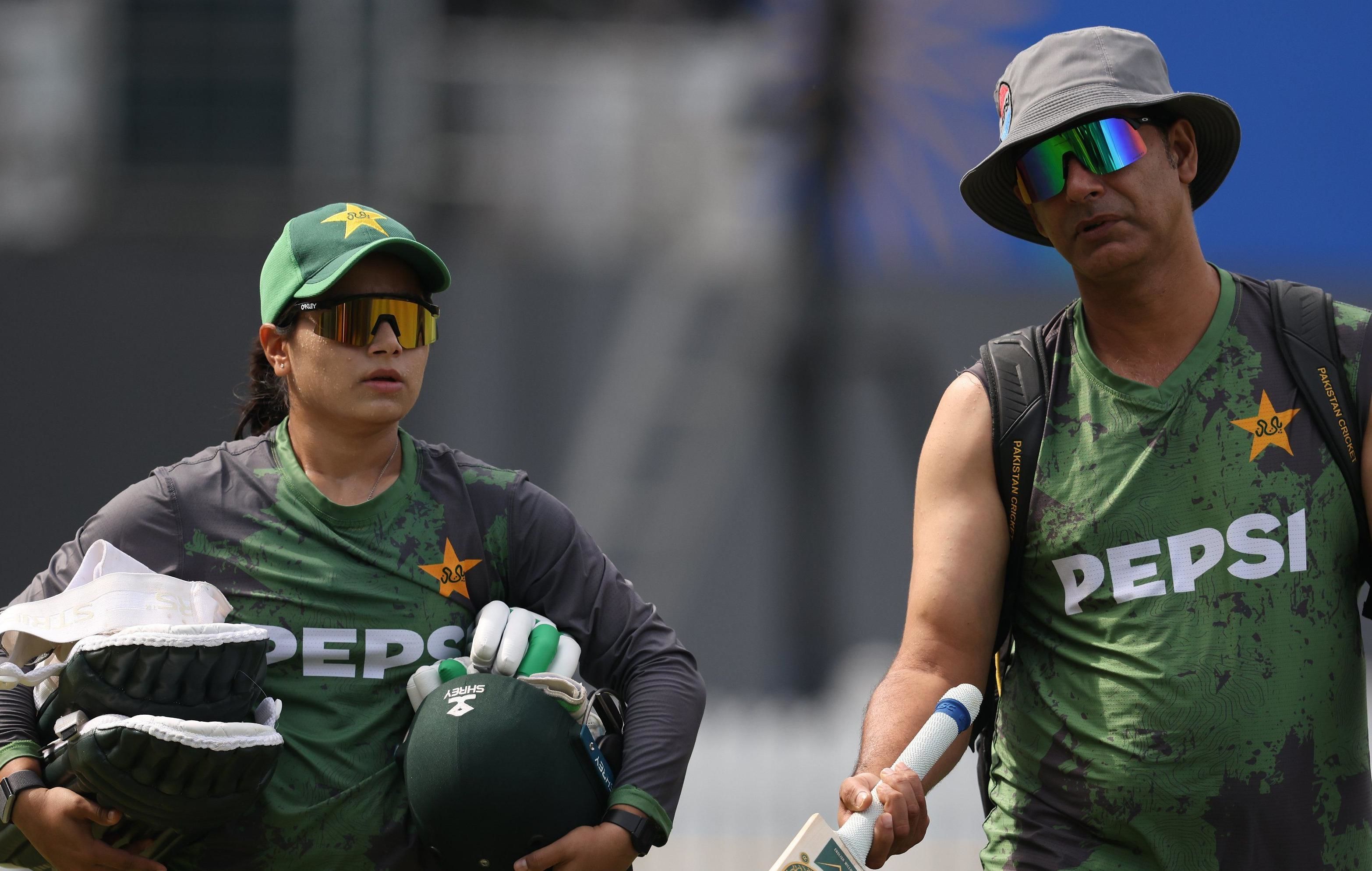
• Eyman Fatima (Pakistan): A 20-year-old uncapped batter tipped for a breakout World Cup
• Harshiva Samarawickrama (Sri Lanka): Sri Lanka’s leading run-scorer in 2025, with four half-centuries already.
Beyond the Boundary: Why It Matters
The ODI format is a true examination of skills — pacing innings, building partnerships and tactical nous — a contrast to the fast-twitch nature of T20s. That makes this World Cup a real test of adaptability.
Women’s cricket has seen massive growth in recent years, and this edition offers another chance to bridge the gap with the men’s game. With record prize money, strong broadcast coverage and growing global fan interest, the 2025 World Cup could be a turning point in the sport’s evolution.