South Africa has been dealt an untimely blow ahead of the second One-day International (ODI) on August 22, as off-spinner Prenelan Subrayen was reported for a suspect bowling action following his 50-over debut against Australia in Cairns.
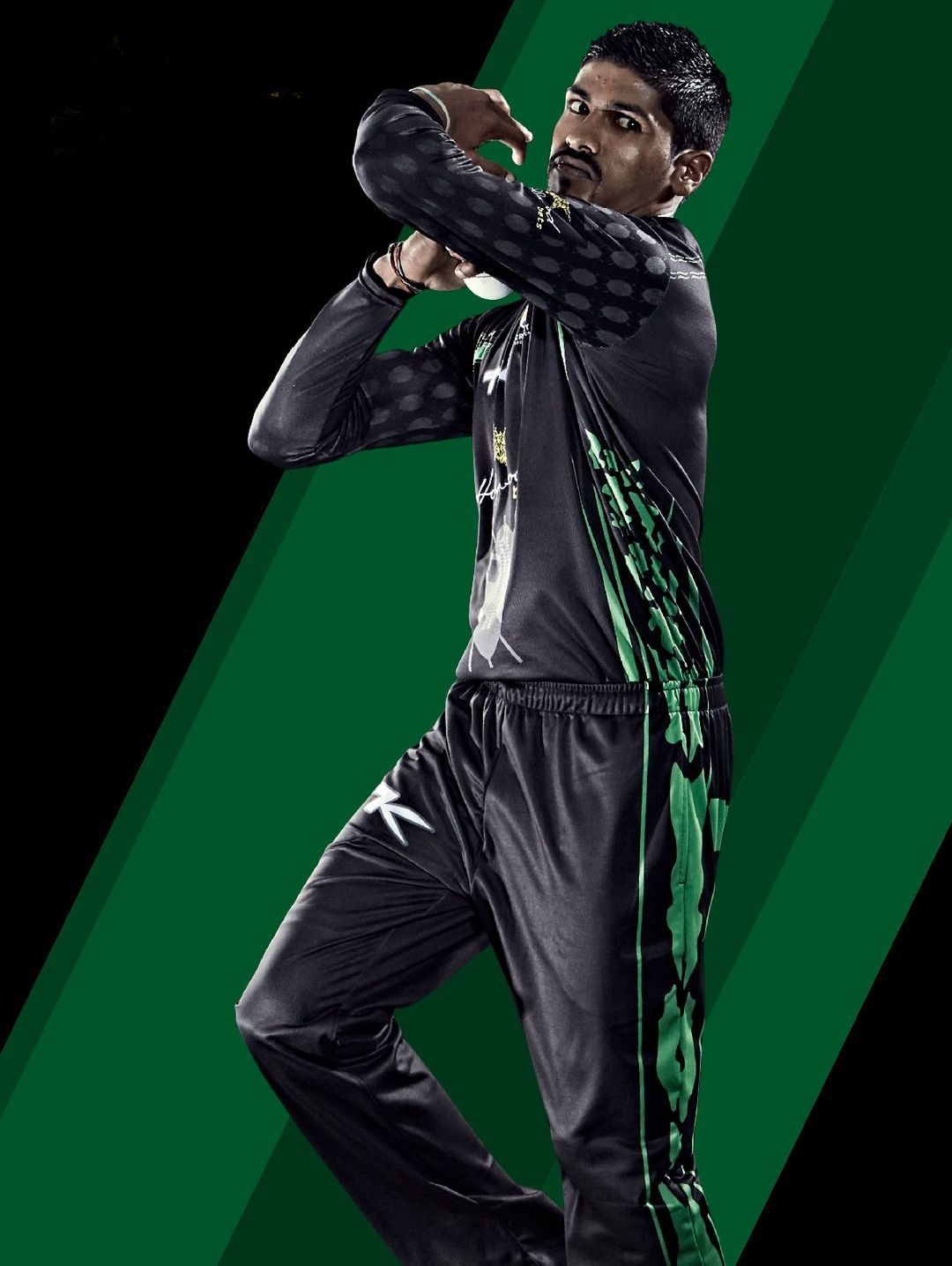
ICC raises concerns over legality of action
The International Cricket Council (ICC) confirmed on Wednesday that match officials had expressed concerns over the legality of Subrayen’s action in the first ODI.
Subrayen will undergo an Independent Assessment of his bowling action at an ICC Accredited Testing facility. The evaluation will determine whether his action complies with the game’s laws.
Promising debut overshadowed by controversy
Subrayen, 31, bowled a full quota of 10 overs on debut at the Cazalys Stadium, returning figures of 1-46, including the prized wicket of Australian opener Travis Head, stumped while charging down the track. South Africa clinched the match with a commanding 98-run victory.
The report has come as a surprise to many, given that no concerns were raised during his Test debut against Zimbabwe earlier this year, where he picked up four wickets in an innings win at Bulawayo.
Blow for Proteas already missing Rabada
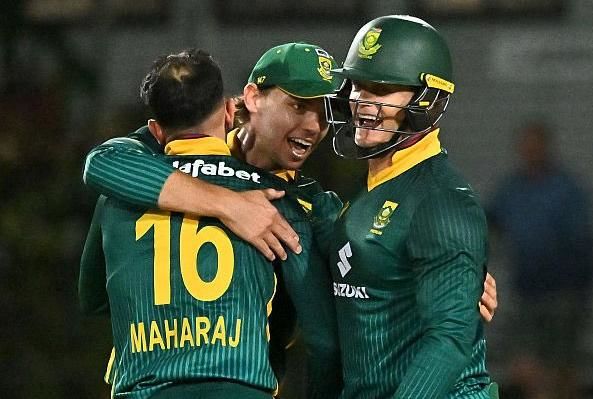
The development adds to South Africa’s worries, with spearhead Kagiso Rabada ruled out of the ODI series due to an ankle injury. Despite the setback, the Proteas hold a 1-0 lead in the three-match series, thanks to Keshav Maharaj’s brilliant 5-33, which also lifted him to the top of the ICC men’s bowling rankings.
The second ODI will be played at the Great Barrier Reef Arena in Mackay on August 22, with the decider scheduled at the same venue two days later.
Australia’s Zampa reprimanded
Meanwhile, Australia’s Adam Zampa has been officially reprimanded by the ICC for breaching the Code of Conduct in the first ODI.
The leg-spinner was found guilty of violating Article 2.3, which relates to “the use of an audible obscenity during an international match.” Zampa has received one demerit point, his first offence in a 24-month period.
Level 1 breaches carry penalties ranging from an official reprimand to a fine of up to 50 per cent of a player’s match fee.