



Chennai’s humid evening air crackled with energy at the Inter-State Athletics Meet when 23-year-old Tejas Shirse powered down the track, sailed over the final hurdle and struck gold in the 110m hurdles. The clock read 13.60 seconds.
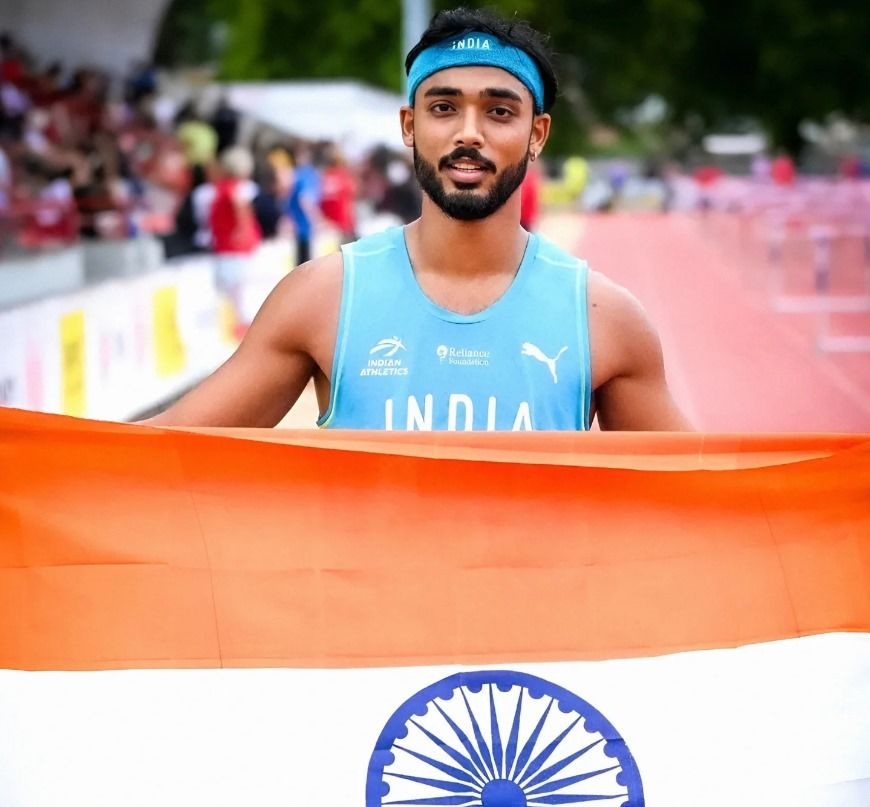
For most athletes, it was a winning time. But for India’s national record-holder, it carried a bittersweet truth — he was still outside the world’s top 40 rankings, the cut-off to qualify for the World Championships in Tokyo, starting tomorrow.
A Stroke of Fate
Then came the twist. Athletics, as much about fortune as it is about talent and endurance, offered him an opening. A withdrawal inside the top 40 changed everything. Suddenly, Shirse was in. In one moment, he became only the second Indian after Siddhanth Thingalaya in 2017 to qualify for the men’s 110m hurdles at the World Championships.
I was checking daily to see what changes were made to the list. Most of the time, the top 40 are there but someone or the other pulls out. I had this hunch that it would work out for me.
The Struggle Behind the Success
Shirse’s qualification is not a stroke of mere luck, but the reward of persistence. His career has been scarred by setbacks: two left hamstring tears and a stress reaction in his foot. Each injury meant months of rebuilding, relearning, and regaining rhythm. Yet when the confirmation came, Shirse didn’t see it as fortune.
If I can qualify despite so many injuries, it means somewhere we are doing something right.
The Turning Point: A bold approach
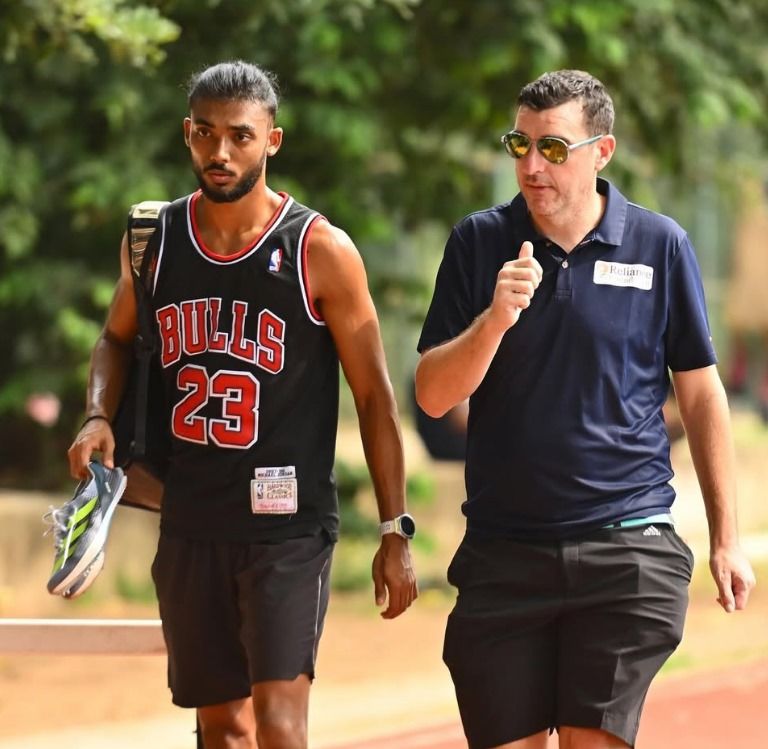
The real transformation began at the 2022 National Games, when Shirse took a decisive step. He approached James Hillier, the British athletics director at the Reliance Foundation, who was already shaping the rise of India’s sprint hurdles star Jyothi Yarraji.
I wanted to have somebody who could guide me and also have some training partners. Training alongside Jyothi under Hillier’s eye gave him not just technique, but an environment that demanded excellence.
From Odisha to the state-of-the-art base in Ulwe, Navi Mumbai, Shirse’s growth accelerated. Hillier widened his horizon further by sending him to Europe, where he faced tougher rivals and higher stakes.
Breaking The Record
It was in Finland last May, at the Motonet GP, that Shirse made history. Clocking 13.41 seconds, he broke Thingalaya’s long-standing national record.
When you are running against better athletes and you don’t know them, you have to be at your best to win. That’s when you really dig deep.
Those overseas meets not only honed his craft but also boosted his World Athletics ranking, helping seal his place in Tokyo.
Aiming for History in Tokyo
The challenge now is monumental. No Indian hurdler has ever reached a World Championships final. Shirse’s ambitions, though measured, remain sharp.
I’m hoping that I can make the semi-finals first and take it from there. I want to make a mark and show that India has a hurdler who can stand at the same line as the world’s best and not back down.
For India, still searching for a breakthrough in sprint hurdles, Shirse’s presence in Tokyo is already symbolic. For Shirse himself, it is a chance to prove that his journey — through pain, setbacks, and perseverance — has led him to belong among the world’s elite.