



India’s former fast bowler Chetan Sharma believes Shubman Gill is proving to be not just a prolific batsman but also a natural leader who could define an era.
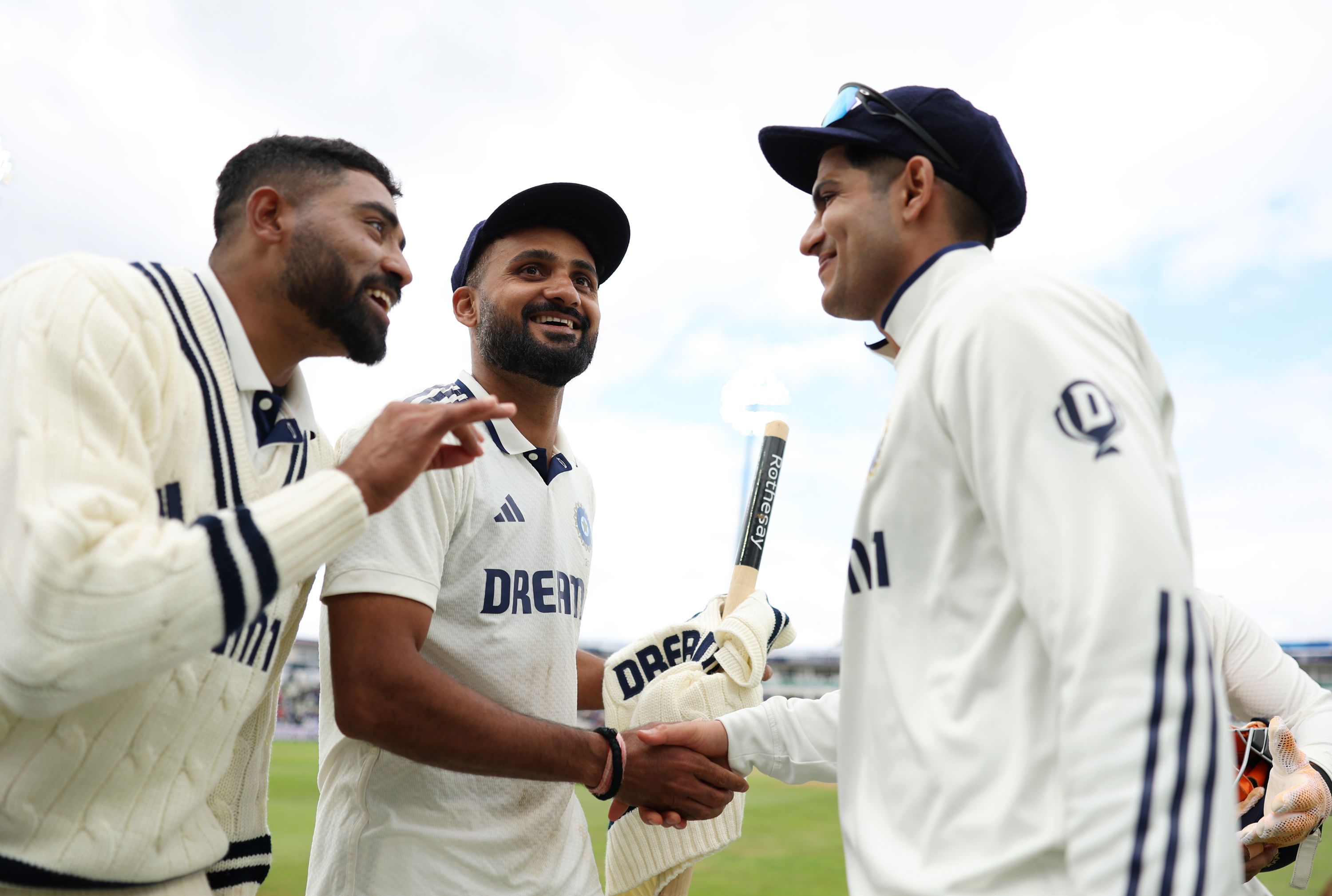
What a player he is… What a player. He looks completely different on this tour, especially after becoming skipper. Look at his calm and composed attitude on the ground — whether we are winning or losing. It reminds me of MS Dhoni, both as a player and as a captain.
Sharma, who played under seven captains during his career, sees striking echoes of India’s past greats in Gill’s demeanour. “His facial expression is always positive. He hardly talks to the bowler or fielder — just like Kapil Dev used to be. I can tell you one thing, Indian cricket is in safe hands.”
Gill’s transformation with the bat has impressed Sharma no less. “When we picked Gill, he wasn’t playing all formats. Slowly, we gave him opportunities in red-ball cricket, and he made a century in Australia. Earlier, he used to chase deliveries outside off stump. But in the last two Tests, his batting style has completely changed,” he explained.
“English bowlers have tried everything—swingers, seam—but he’s tackled it all calmly. That’s a rare quality. He’s not taking any extra pressure as captain or batter. He knows how to multiply opportunity. That’s why he has scored a century in every innings so far—550 runs in the series, which is really commendable.”
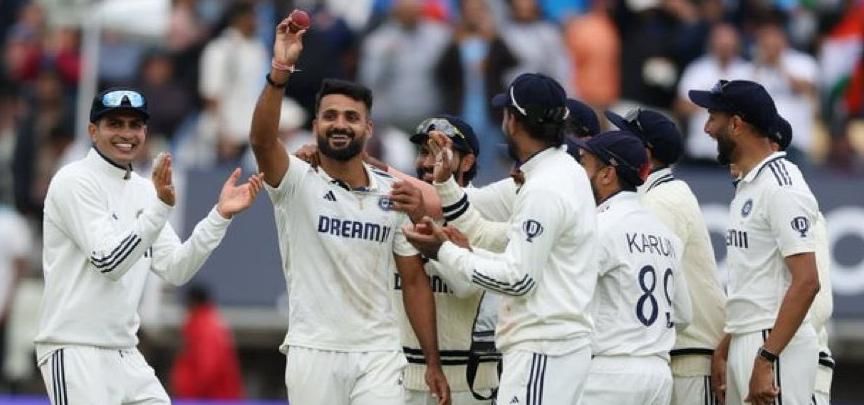
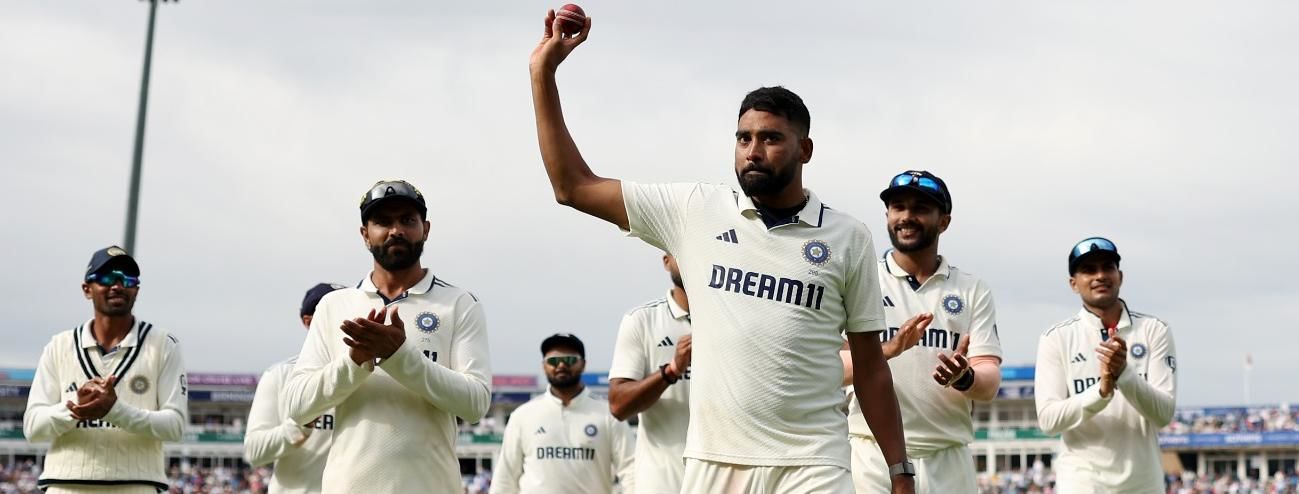
If Gill’s serene authority has anchored India’s batting, Sharma feels the bowling attack has the firepower to decide the Lord’s Test — especially with Akash Deep emerging as a potent partner for Jasprit Bumrah.
Akash Deep has a chance to really perform on this wicket. First of all, you have to settle down on the Lord’s pitch. Once you do that, it’s easier from both ends — especially from the Media End, because the slope comes from there. For a new fast bowler, using the slope is hard to adjust to if you’ve never played here.
He offered some pointed advice to the young pacer. “My advice to him: don’t listen to everyone. Just follow your own strategy and strengths. He will succeed, surely.”
What makes Akash Deep particularly dangerous, Sharma explained, is his ability to swing the ball at pace — an asset few possess. “His run-up is fast, like mine used to be, so the ball travels quickly through the air, which is rare for a pacer. At Edgbaston, we saw most of his inswingers pitching on off stump. Once he settles his run-up at Lord’s, he’ll be able to take advantage from both ends.”
Sharma knows a thing or two about bowling in England — during India’s 1986 tour, he picked up 16 wickets in the Test series, 10 wickets at Birmingham, including a career best 6 for 58 in the second innings.
“If you want to take wickets with outswing, try bowling from the Pavilion End,” he added.
On India’s prospects in the series, Sharma was optimistic. “We definitely have a chance to win. We took 20 wickets in the Edgbaston Test, which shows we have the capacity to win here, especially at Lord’s. You don’t often get the chance to win in this place — the Mecca of cricket. Every player wants to see his name on that honours board.”
Between Gill’s calm authority and a bowling attack hungry to etch their names in history, Sharma believes India are well placed to seize their moment.