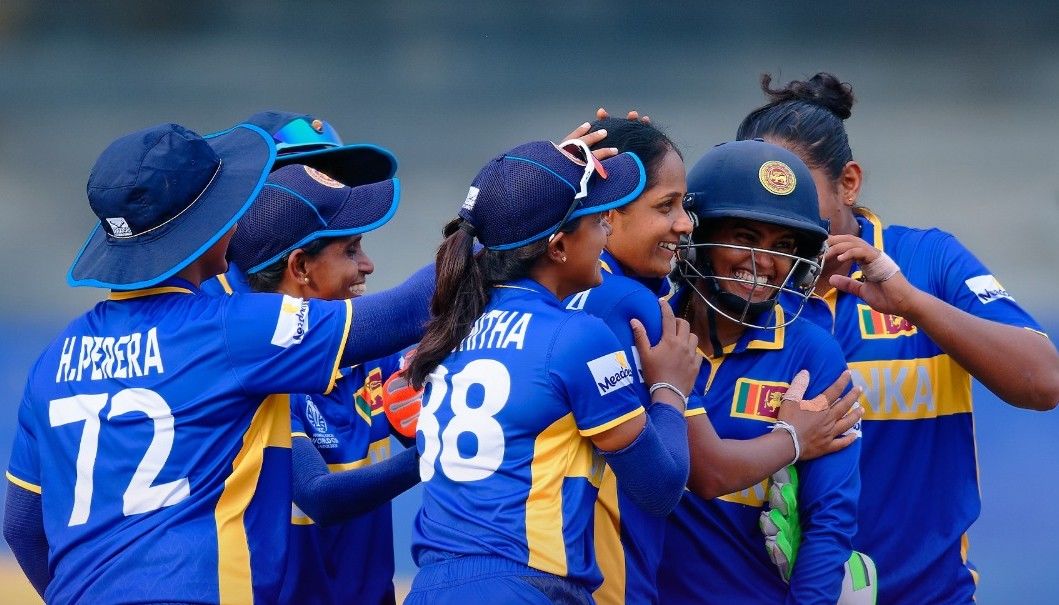




New Zealand’s women’s team are in Colombo this week for their Women’s World Cup fixtures against the hosts and Pakistan. For local fans, their presence rekindles memories of how former Kiwi skipper Martin Crowe once played a match-winning innings off the field — saving Sri Lanka from cricketing isolation.
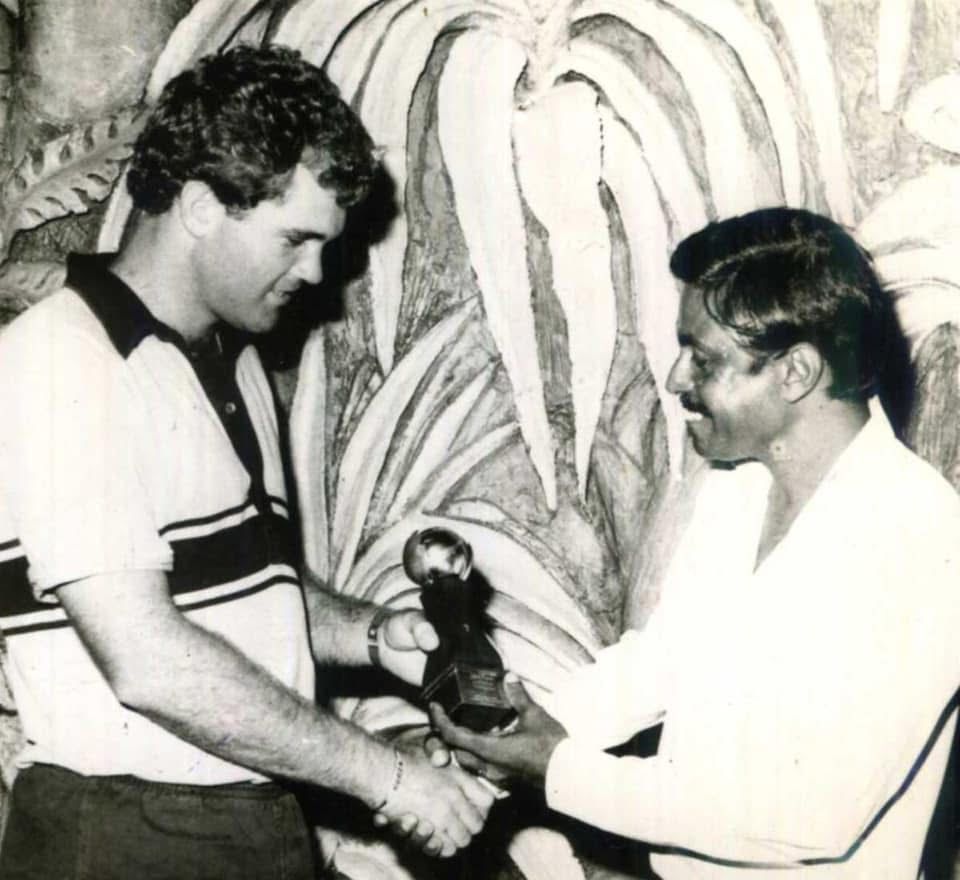
Turbulent Times and a Game in Jeopardy
Barely two years after Sri Lanka gained Test status, the civil war erupted, throwing the island into turmoil. In 1987, a deadly bomb blast at the Colombo Central Bus Station killed more than a hundred people, forcing the abandonment of New Zealand’s tour midway.
For the next five years, no international side dared set foot on Sri Lankan soil. The fallout was devastating — several players retired prematurely, including their charismatic captain Ranjan Madugalle, who was just 29.
Desperate Appeals, Renewed Hope — and Another Tragedy
The Board of Control for Cricket in Sri Lanka made desperate appeals to visiting boards to return. Australia finally agreed, followed by New Zealand. But before a ball could be bowled, tragedy struck again.
While the Kiwis were in Colombo, a suicide bomber assassinated Navy Commander Clancy Fernando right outside the team’s hotel. Panic swept through the camp, and the tour teetered on the brink of collapse.
Crowe’s Courage and Calm Leadership
Sri Lankan officials turned to Martin Crowe, pleading with him to stay. Calm under pressure — just as he was at the crease — Crowe agreed. But his toughest challenge was yet to come.
He had to convince his own teammates to stay the course. Five players and the coach flew home, but Crowe refused to give up. He organised replacements from New Zealand, assumed the dual role of captain and coach, and ensured the tour continued.
It was a one-man rescue act that would change the course of Sri Lankan cricket. Within the next three years, India, England, Pakistan and South Africa followed New Zealand’s lead and toured the island again.
A Lasting Bond Between Nations
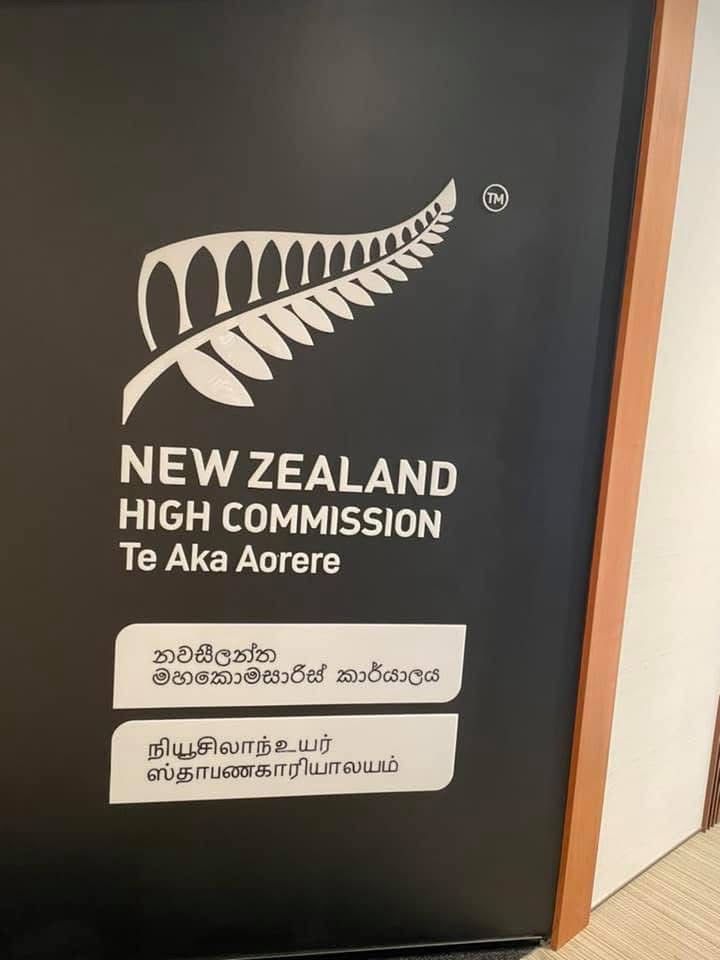
At that time, there was no New Zealand High Commission in Colombo — it would only open in 2021 under Michael Appleton, a self-confessed cricket romantic who often attended matches in Galle.
Sri Lankans, ever warm and grateful, hold Crowe close to their hearts for that selfless decision which kept cricket alive when the island’s flame nearly went out.
A Cricketer, Thinker and Gentleman
A stylish right-hander and a cerebral captain, Crowe was one of New Zealand’s finest — a batsman who thrived in subcontinental conditions and a leader ahead of his time, guiding a modest Kiwi side to the 1992 World Cup semi-finals.
After retiring, he became a refreshing voice in the commentary box — articulate, insightful and disarmingly honest. When he was diagnosed with cancer years later, Sri Lankans held poojas to bless him, led by the nation’s beloved cheerleader, Percy Abeysekara.
I crow, you crow, we all crow for Martin Crowe.
The Legacy Lives On
Crowe lost his battle with cancer in 2016, aged just 53. But his legacy endures — not only for his artistry with the bat, but for that magnanimous gesture that kept Sri Lanka’s cricket dream alive during its darkest days.