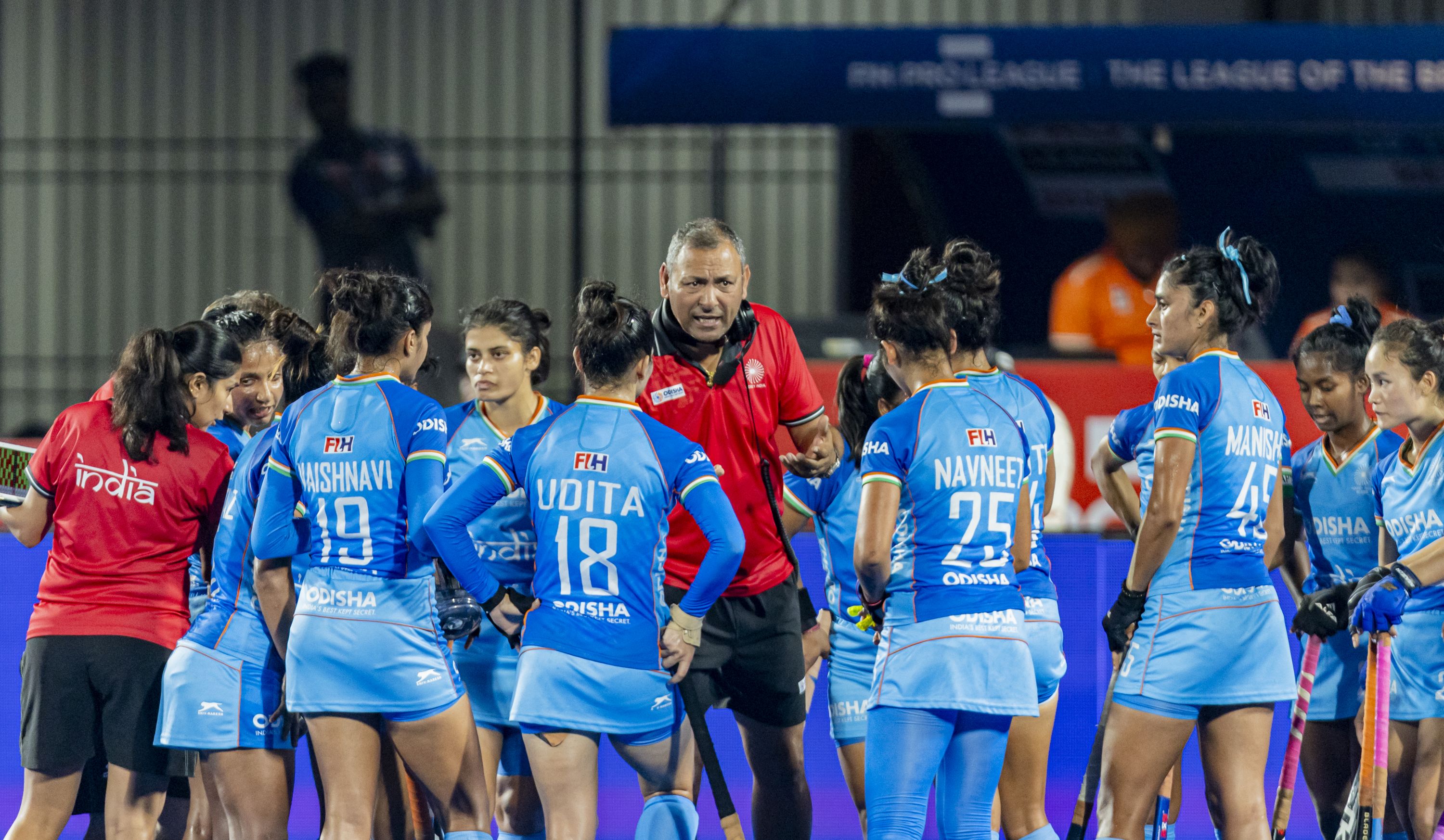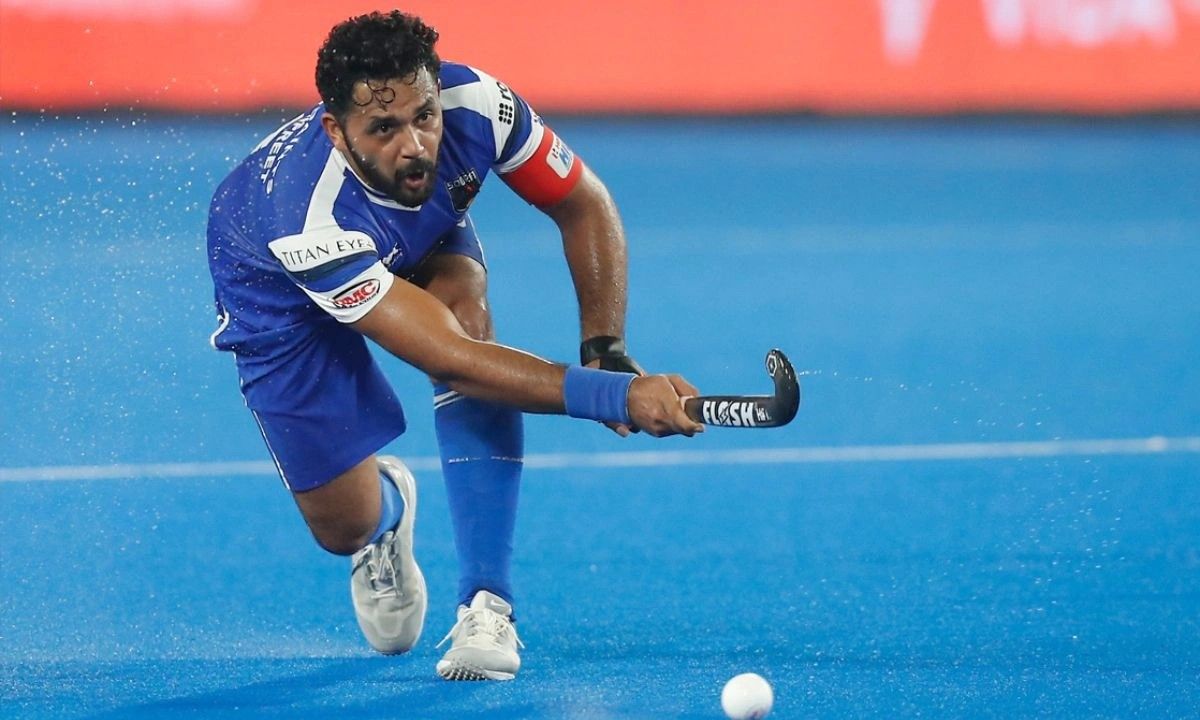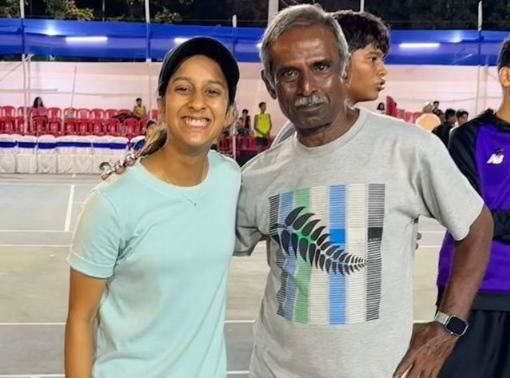




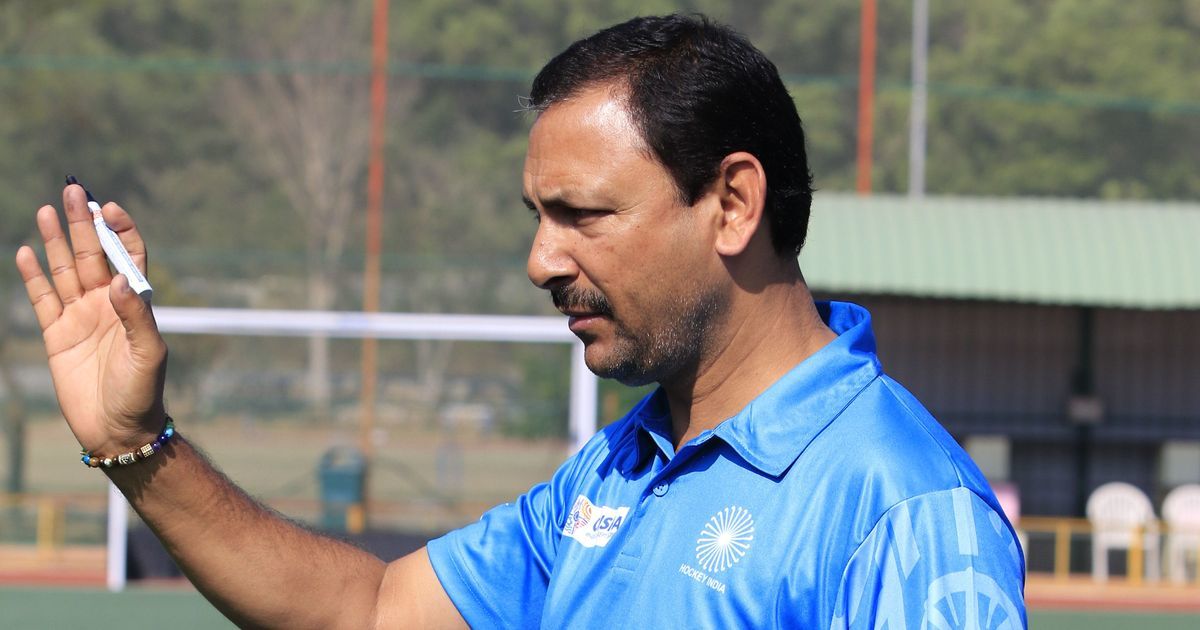
A day after Indian women’s hockey team coach Harendra Singh resigned following complaints filed by senior players to the sports ministry, insiders say all is not well within the squad. Factionalism, distrust, and a lack of communication have left the team deeply divided.
Where Did It Begin? Fitness, Injuries, and Growing Discontent
According to insiders, the trouble began when 6-7 senior players objected to Harendra’s strict fitness parameters and training methods, which they believed contributed to a rise in injuries and a decline in performance. The senior group was reportedly unhappy with what they viewed as “harsh methods,” creating a clear split within the team.
An on-field issue erupted three to four months ago when senior players and the coach clashed over several matters. The girls complained to visiting TOPS (Target Olympic Podium Scheme) officials at the SAI Bengaluru camp, expressing unhappiness with the training methods. That was the first flashpoint.
Injuries to 12–13 players added to the tension, and the dip in performances only deepened the divide. The coach demanded better results, and the players, in turn, blamed him for poor management of the situation. Matters escalated when senior players filed a second complaint, this time to the sports ministry, which then directed Hockey India (HI) to intervene urgently.
Coach and Support Staff: A Different Side of the Story
Harendra Singh, with more than two decades of experience and stints coaching both men’s and women’s teams, is known for being vocal, strict, and uncompromising.
When has Harendra not been strict?” said a source close to the developments. Every coach, Indian or foreign, demands discipline and fitness. As performances dipped, he pushed the players to raise their standards. What’s wrong with that? “Not long ago, senior-most player Rani Rampal was dropped over fitness issues, and no one supported her. Now that the same standards apply to these girls, the coach is being blamed.”
When contacted, Harendra declined to respond to the allegations, adding only, “These girls are like my daughters. I do not want to make any comments.”
When asked whether he wanted to present his side of the story or clear his name, he said, “Time will tell.”
Hockey India’s Role: A Breakdown in Communication
The crisis also highlights a serious communication gap between the players and Hockey India. The very fact that players approached the sports ministry directly, bypassing their federation, speaks volumes.
On Monday, HI president Dilip Tirkey and secretary-general Bhola Nath Singh held closed-door meetings with both coach and players to find a middle ground. No agreement was reached. Eventually, the sports ministry is understood to have directed HI to part ways with Harendra, citing poor results and the high number of injuries.
What’s Next for Women’s Hockey? A Need for Trust and Accountability
This crisis comes at a time when Indian hockey is experiencing a surge, the men’s team has won back-to-back Olympic medals, and the women finished fourth at the 2020 Tokyo Olympics.
Hockey India must now focus on rebuilding trust and establishing a transparent, professional structure where both players and coaches are held accountable. Indian women’s hockey has a long history of players using influence to oust coaches when relationships deteriorate, from Sjoerd Marijne to M.K. Kaushik to now Harendra Singh. The pattern keeps repeating, and players seldom face consequences.
The Road Ahead: A Return for Marijne?
With both senior and junior women’s coaches set to exit, junior coach Tushar Khandker is unlikely to have his contract renewed after the Junior World Cup in Chile, HI faces a massive rebuilding task. Sources confirm that former coach Sjoerd Marijne is expected to return to the senior women’s setup in early January.
If anything, the latest events underline one lesson: Hockey India, the players, and the coaching staff must learn to work together and uphold accountability if Indian women’s hockey is to progress. Because whenever it becomes players versus coach, hockey itself becomes the loser. It’s time that changed.